
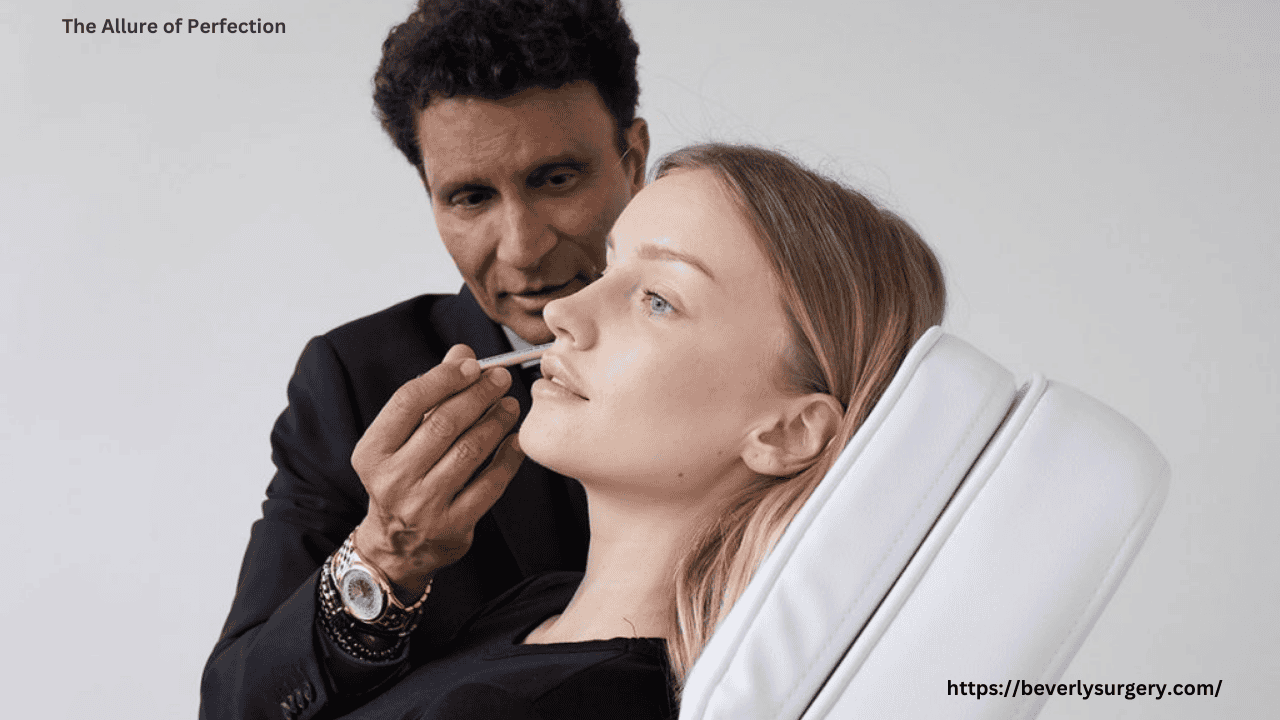
Beverly Hills, a city synonymous with luxury and glamour, is home to some of the world’s most renowned plastic surgeons. While cosmetic enhancements can boost self-confidence and correct perceived imperfections, an alarming trend has emerged—plastic surgery addiction. The relentless pursuit of physical perfection has led many individuals down a dangerous path where surgical enhancements become an obsession rather than an occasional refinement.
The Allure of Perfection
Beverly Hills has long been a global epicenter for cosmetic procedures, attracting celebrities, influencers, and everyday individuals who aspire to achieve a flawless appearance. The pressure to look perfect is magnified by social media, Hollywood beauty standards, and the constant presence of aesthetically enhanced public figures. While a single procedure might begin as a means to boost self-esteem, for some, the initial satisfaction is fleeting, prompting a cycle of repeated surgeries in an attempt to maintain an ever-evolving standard of beauty.
Understanding Plastic Surgery Addiction
Plastic surgery addiction, often linked to Body Dysmorphic Disorder (BDD), is a psychological condition where individuals become obsessed with perceived flaws and seek excessive cosmetic procedures to “fix” them. Unlike those who undergo a single or occasional enhancement, individuals suffering from this addiction may feel an insatiable need for more alterations, often chasing an unattainable ideal. This obsession can lead to extreme physical and emotional consequences, including botched surgeries, permanent disfigurement, and severe mental health struggles.
The Role of Social Media and Celebrity Influence
Social media platforms like Instagram and TikTok have fueled unrealistic beauty standards, making it easier for people to compare themselves to heavily filtered and surgically enhanced images. Influencers and celebrities openly discussing their cosmetic procedures create an illusion that beauty is something to be bought and perfected. In Beverly Hills, where status and appearance often go hand in hand, the temptation to continuously tweak one’s appearance can become overwhelming.
Signs of Plastic Surgery Addiction
Recognizing plastic surgery addiction is crucial for early intervention. Some common warning signs include:
- Constant dissatisfaction with one’s appearance despite undergoing multiple procedures.
- Frequent consultations with different surgeons in search of further modifications.
- Emotional distress or depression when unable to undergo more surgeries.
- Ignoring medical advice when told that further procedures are unnecessary or risky.
- Financial strain due to excessive spending on cosmetic procedures.
The Dangers of Overindulgence in Surgery
Excessive plastic surgery can lead to severe complications such as infections, scarring, nerve damage, and even life-threatening conditions. Additionally, individuals who become reliant on surgical enhancements may struggle with their self-worth, experiencing increased anxiety and depression rather than the confidence boost they initially sought.
Breaking the Cycle
For those trapped in the cycle of plastic surgery addiction, seeking help from mental health professionals is essential. Therapy, particularly cognitive-behavioral therapy (CBT), can help individuals address the underlying psychological issues driving their addiction. Support groups and self-acceptance practices can also aid in breaking free from the constant need for surgical modifications.
Conclusion
While plastic surgery can be a tool for enhancing confidence, when it becomes an obsession, it poses serious risks. In Beverly Hills, where the pressure to achieve perfection is intense, recognizing and addressing plastic surgery addiction is crucial. By promoting self-acceptance and mental well-being over unrealistic beauty ideals, individuals can find confidence beyond the scalpel.

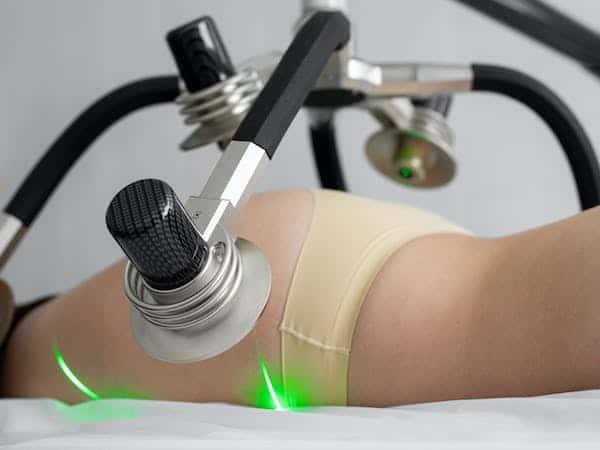

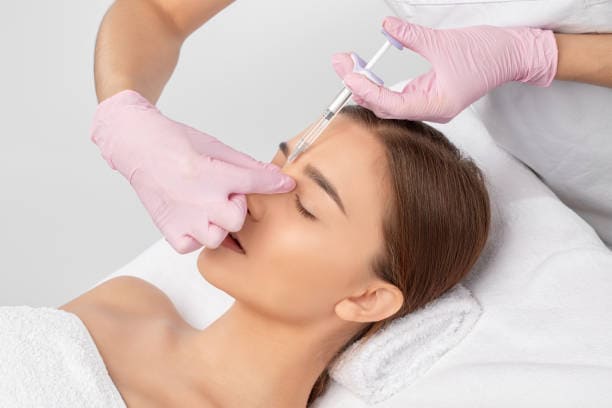

 Ever since plastic surgery rose to popularity in the 1980’s, it has been a controversial matter. People have spent many hours debating on how ethical, safe and worthwhile plastic surgery is. On one hand, it can do a lot of good for people who have low self esteem over their appearance. On the other hand, it is the practice of altering one’s body, which can be considered harmful and unnatural. Ultimately, the jury is still out, but plastic surgery is a discussion item that everyone seems to have an opinion about.
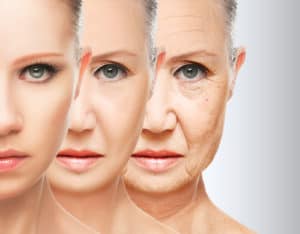 Plastic surgery often gets a bad reputation as being pure vanity, as if its only use is to make rich, attractive people more attractive. It is also criticized as being against everything nature intended. The fact of the matter is, it is Hollywood and instances of “plastic surgery gone wrong” that give these procedures a bad reputation. Not all plastic surgery is vanity or a misuse of medical science. There are a number of circumstances that make plastic surgery a worthwhile cosmetic procedure.
 During the 1980’s and 1990’s, Beverly Hills and Hollywood became known as the plastic surgery capitol of the world. This region was not given the pseudonym “Silicone Valley” for no reason. There are more plastic surgery procedures performed in this area of Southern California than anywhere else on the globe. This is primarily due to the immense wealth of this area’s residents and the central importance of the entertainment industry to this region.