Reality Check: When the Quest for Beauty Crosses into Addiction

Beverly Surgery, showcasing their holistic, faith‑based, and individualized addiction recovery and mental health treatment services.


Reality Check: When the Quest for Beauty Crosses into Addiction

Every day, individuals choose cosmetic enhancements to restore confidence or reclaim their sense of well‑being. But what happens when that healthy choice crosses a line? Becoming consumed by procedures can signal an underlying struggle—turning self‑improvement into addiction. At Beverly Surgery, we understand this sensitive zone, and we are here to help you find healing not only for the body, but also for the mind and spirit.


Understanding Plastic Surgery Addiction

What Drives the Compulsion?

For many, surgery begins as self‑care. But when dissatisfaction persists and enhancements become repetitive, the issue may go beyond aesthetics. Often, those repeat procedures stem from emotional triggers or mental health concerns like anxiety, depression, or Body Dysmorphic Disorder. Beverly Surgery offers individualized treatment plans that consider all facets of well‑being—that is true recovery.

How to Recognize the Signs

  • Persistent dissatisfaction with appearance regardless of multiple procedures

  • Emotional distress when surgery is unavailable

  • Disregard for medical guidance or health risks

  • Frequent consultations, spending, or obsession related to cosmetic changes

If these patterns feel familiar, recovery may begin with compassionate mental health support and professional addiction care.


Beverly Surgery’s Approach to Healing

Integrating Compassionate Care with Specialized Treatment

At Beverly Surgery, our approach combines the best of clinical expertise and holistic healing. Every plan may include:

  • Inpatient care for those needing structured support

  • Outpatient programs for individuals balancing life and healing

  • Mental health treatment, including therapy and psychiatric services

  • Faith‑based care options for restorative spiritual support

This layered model ensures recovery that works for you—as a whole person, not just a set of symptoms.

Personalized, Faith‑Centered Recovery

Recovery is deeply personal. That’s why our clinicians, therapists, and spiritual guides work closely with you to deliver care that aligns with your values. Whether your path calls for meditation, scripture‑based guidance, or secular counseling, we tailor your journey respectfully and effectively.


Practical Steps Toward Recovery

Step 1: Acknowledgement and Self‑Compassion

Recognizing the problem is courageous. Emotional support from loved ones or a counselor strengthens that first critical step.

Step 2: Professional Assessment

Our specialists provide full evaluations—mental health screening, physical health checks, and spiritual needs assessment—to develop a safe, effective treatment path.

Step 3: Building Holistic Goals

Beyond addressing compulsive behaviors, we help rebuild self‑esteem, restore identity, and promote emotional resilience—through therapy, mindfulness, and tailored care.

Step 4: Continuing Support

Our inpatient and outpatient care includes aftercare resources, support groups, and faith‑based structures that support lasting healing and prevent relapse.


Conclusion

Beauty should empower—not imprison. When cosmetic concerns evolve into addiction, the path back to wellness often begins with compassion, clarity, and support. At Beverly Surgery, we understand the emotional and spiritual layers of recovery, and we’re committed to guiding you back to wholeness—body, mind, and soul.

If you or someone you care about is struggling with plastic surgery addiction, please reach out today. There is hope, and you do not have to walk this journey alone.

Chasing Beauty: The Psychological Factors Behind Plastic Surgery Addiction

In a world dominated by curated images and filtered perfection, the pressure to meet unrealistic beauty standards has never been greater. While plastic surgery can offer meaningful improvements in self-esteem and body image, for some, it becomes an obsession that spirals into addiction. Plastic surgery addiction is not just a physical issue; it is rooted in deep psychological complexities that must be understood to address the problem effectively.

The Role of Body Dysmorphic Disorder (BDD)

One of the most common psychological conditions linked to plastic surgery addiction is Body Dysmorphic Disorder (BDD). Individuals with BDD obsess over perceived flaws in their appearance, often minor or imagined. This preoccupation leads to extreme emotional distress and the belief that cosmetic surgery is the only solution. Unfortunately, surgical enhancements rarely resolve the underlying issue, and many with BDD find themselves dissatisfied with the results, seeking further procedures in a desperate attempt to achieve their ideal self-image.

Low Self-Esteem and the Quest for Validation

Plastic surgery addiction is also strongly tied to self-worth. People struggling with low self-esteem may view cosmetic enhancements as a way to gain social acceptance or prove their value. When a procedure brings temporary confidence, it can reinforce the belief that their worth is tied to appearance. Over time, this mindset leads to a cycle of surgeries as individuals chase validation through external transformation.

This pattern is especially prevalent in places like Beverly Hills, where appearance is often linked to success and status. In such environments, the pressure to look a certain way can be overwhelming, particularly for those already dealing with emotional vulnerabilities.

The Impact of Trauma and Emotional Pain

In some cases, the drive to alter one’s appearance stems from deeper emotional trauma. Individuals who have experienced bullying, abuse, or rejection may turn to plastic surgery as a coping mechanism. Altering physical features can feel like taking control or reinventing oneself, offering a sense of relief from past wounds. However, this approach addresses symptoms rather than root causes, often resulting in further emotional turmoil when the changes fail to provide lasting healing.

Social Media and the Beauty Illusion

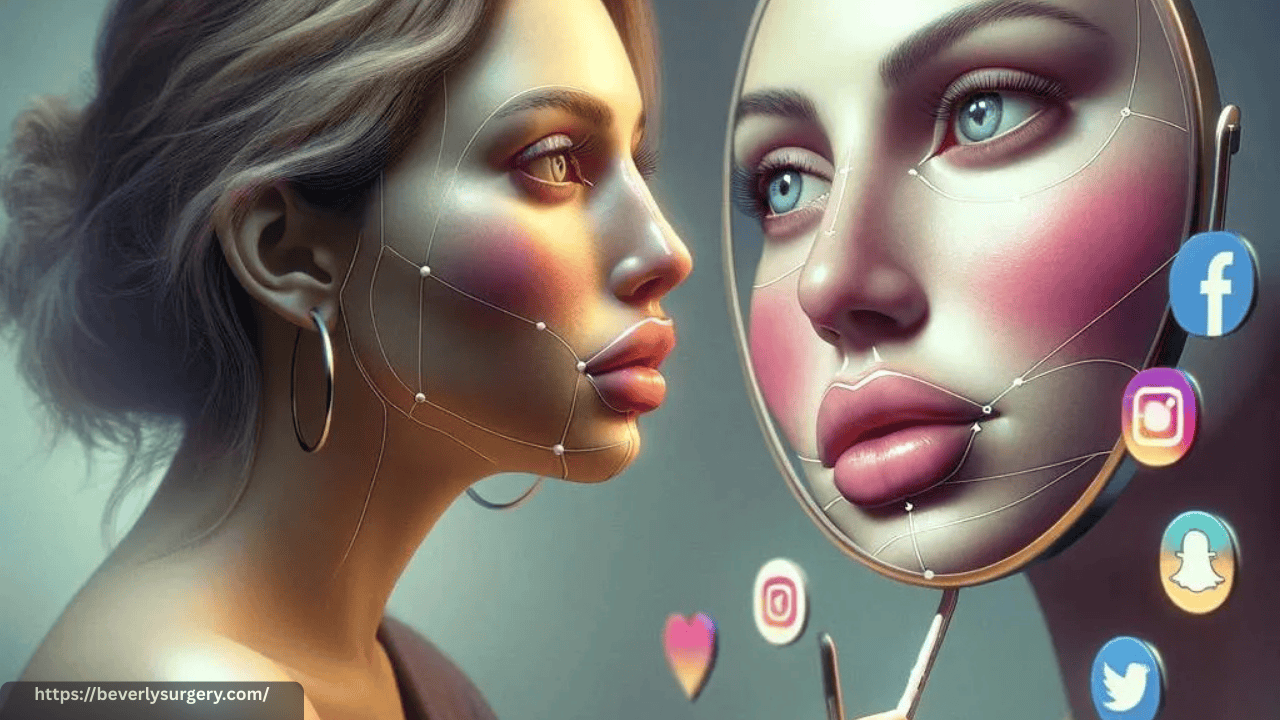
The psychological burden of comparison is intensified by social media. Constant exposure to filtered, edited, and surgically enhanced images can distort one’s perception of normal beauty. The illusion of effortless perfection can make individuals feel inadequate, prompting them to undergo procedures to keep up. This perpetual comparison fosters dissatisfaction and contributes to addictive behavior as people strive to meet unattainable standards.

Breaking the Cycle

Understanding the psychological drivers behind plastic surgery addiction is key to intervention and recovery. Mental health treatment, particularly Cognitive Behavioral Therapy (CBT), can help individuals address distorted thinking patterns and develop healthier self-perceptions. Emotional support from therapists, family, and peer groups can also empower those struggling to rebuild their confidence from the inside out.

Conclusion

Plastic surgery addiction is far more than a physical dependency; it is a manifestation of complex psychological struggles. To truly support individuals caught in the cycle, society must promote mental wellness and self-acceptance over aesthetic perfection. By addressing the inner battles that fuel the addiction, we can help people find healing that goes beyond the surface.


Behind the Glamour: The Hidden Struggles of Plastic Surgery Addiction in Beverly Hills

Beverly Hills is globally recognized as a haven for beauty, luxury, and transformation. With its high-end cosmetic clinics and celebrity clientele, the city has become a symbol of physical perfection. But beneath the glitz and glamour lies a growing, rarely discussed issue—plastic surgery addiction. In a culture where appearance is currency and enhancements are routine, many individuals quietly battle a compulsion that leaves lasting emotional and physical scars.
A Culture Obsessed with Aesthetics

In Beverly Hills, looking your best isn’t just a personal choice; it often feels like a social requirement. Surgeons’ offices are as common as coffee shops, and the pressure to maintain a flawless appearance is intense. While cosmetic surgery can be empowering and life-changing, the pursuit of perfection can evolve into a dangerous habit when boundaries are lost.

The environment itself fosters this addiction. Residents are surrounded by images of perfection—from billboard advertisements to influencer posts showcasing their latest “glow-up.” This normalization of constant improvement sends a damaging message: you are never beautiful enough.

The Slippery Slope of Enhancement

Plastic surgery addiction doesn’t happen overnight. It often begins with one procedure, a small tweak meant to boost confidence. But for some, that first procedure opens the door to a pattern of chasing an ever-changing ideal. Every improvement highlights a new “flaw,” leading to more surgeries in a cycle that never truly satisfies.

Many addicted individuals suffer from Body Dysmorphic Disorder (BDD), a condition where they fixate on perceived physical imperfections. These fixations can distort their self-image to the point that no amount of surgery ever feels like enough. In Beverly Hills, where beauty is often mistaken for worth, this mental health issue can go undetected or even be unintentionally encouraged.

The Toll Beyond the Surface

While the outward signs of plastic surgery addiction are visible—overfilled lips, distorted facial features, excessive scarring—the internal damage is often far more severe. People struggling with this addiction frequently deal with anxiety, depression, and low self-esteem. The short-lived euphoria following surgery is often replaced by disappointment, fueling a dangerous emotional rollercoaster.

Moreover, the financial burden can be devastating. Continuous procedures come with steep costs, and some individuals go into debt to finance their next enhancement. Relationships may suffer as well, as loved ones struggle to understand the compulsion and its psychological roots.

A Call for Compassion and Awareness

Addressing plastic surgery addiction requires both awareness and empathy. Surgeons, therapists, and community members must recognize when a patient’s motivation for surgery stems from deeper emotional issues. Mental health evaluations and ethical standards in the cosmetic industry are crucial in preventing further harm.

Therapeutic interventions, especially Cognitive Behavioral Therapy (CBT), can help individuals understand and confront their insecurities. Support groups and open discussions can also provide much-needed reassurance and solidarity for those affected.

Conclusion

Behind the perfectly curated lives of many Beverly Hills residents lies a struggle rarely seen by the public eye. Plastic surgery addiction is a deeply personal battle fueled by external pressures and internal pain. To truly address the issue, the focus must shift from glamor to genuine healing, reminding people that beauty is not defined by perfection, but by self-acceptance and mental well-being.


Nip, Tuck, Repeat: How to Identify and Address Plastic Surgery Addiction

In a world increasingly obsessed with physical perfection, plastic surgery has become more than just a beauty tool—it has, for some, turned into an unhealthy dependency. What begins as a harmless cosmetic enhancement can spiral into a pattern of compulsive procedures, leaving emotional, financial, and physical consequences in its wake. Known as plastic surgery addiction, this condition is more common than many realize, particularly in appearance-focused environments like Beverly Hills. Recognizing the signs early and seeking proper intervention is essential to break the cycle.

Recognizing the Warning Signs

Plastic surgery addiction often mimics the behaviors of other forms of addiction. While not officially classified as a standalone disorder, it is closely tied to Body Dysmorphic Disorder (BDD), where individuals obsess over perceived flaws in their appearance. These obsessions can lead to repeated surgeries, each one offering only temporary relief.

Here are common signs to watch for:

  • Frequent procedures with little time between surgeries.
  • Constant dissatisfaction with surgical results, regardless of improvement.
  • Obsession with physical flaws that others do not see or consider insignificant.
  • Emotional distress or anxiety when denied additional surgery.
  • Ignoring medical advice from surgeons who discourage further procedures.
  • Financial difficulties stemming from the cost of ongoing cosmetic work.

These red flags indicate a deeper psychological issue rather than a desire for self-improvement alone.

The Psychological Roots

At the heart of most plastic surgery addictions is low self-esteem and a distorted self-image. Many individuals believe that changing their appearance will finally bring them happiness, love, or acceptance. Unfortunately, this mindset often leads to a cycle of disappointment: the emotional high after surgery is short-lived, and the underlying insecurities remain.

Social media and celebrity culture play a significant role in exacerbating this condition. Constant exposure to filtered, surgically enhanced images creates unrealistic beauty standards. For vulnerable individuals, especially those with preexisting insecurities, the pressure to conform can become overwhelming.

Seeking Help: Where to Begin

Breaking free from the grip of plastic surgery addiction starts with recognizing the problem. Consulting a mental health professional—especially one trained in treating body image issues or BDD—is a vital step. Therapies such as Cognitive Behavioral Therapy (CBT) can help individuals reframe their thinking and develop healthier self-perceptions.

In some cases, support groups can be beneficial. Speaking with others who understand the emotional rollercoaster of plastic surgery addiction can reduce feelings of isolation and promote healing.

It’s also important to work with ethical surgeons who prioritize patient well-being over profit. A reputable surgeon will be able to recognize when a patient’s requests stem from addiction and may refer them to counseling instead of proceeding with further procedures.

Embracing Self-Worth Beyond Appearance

Recovery from plastic surgery addiction is not about giving up on self-care or aesthetics; it’s about shifting the focus from compulsive enhancement to self-acceptance. Learning to value oneself beyond physical traits takes time and patience but leads to a more fulfilling and emotionally stable life.

Conclusion

Plastic surgery can be transformative, but when it becomes a repeated, compulsive behavior, it signals deeper issues that must be addressed. Identifying the signs of addiction and seeking appropriate help can break the damaging cycle. True beauty is not achieved through endless nips and tucks, but through inner confidence and self-love.


Breaking the Cycle: When Plastic Surgery Becomes a Compulsion

Plastic surgery has become an accepted part of modern self-care, offering people the ability to enhance their appearance, boost confidence, and even correct physical issues. In many cases, a single procedure is enough to meet the patient’s expectations. However, for some individuals, the desire for improvement doesn’t end. Instead, it evolves into a compulsive cycle of surgeries that go far beyond aesthetic enhancement, entering the realm of addiction and emotional dependence.

The Slippery Slope of Cosmetic Enhancement

For those drawn into repeated plastic surgery, it often begins innocently enough. A small procedure, like a nose job or Botox, provides satisfaction and compliments. But over time, that initial satisfaction fades, and the person begins to see more “flaws” in their appearance. These perceived imperfections can become obsessive thoughts, pushing them to seek more procedures in the hopes of finally feeling satisfied with how they look.

This cycle can create an unhealthy feedback loop. The more surgeries a person undergoes, the more critical they become of their appearance. Instead of appreciating improvements, they fixate on new or imagined flaws, reinforcing the compulsion to go under the knife again.

When Cosmetic Surgery Becomes an Addiction

Compulsive plastic surgery is not just about vanity; it is often tied to deeper psychological issues, particularly Body Dysmorphic Disorder (BDD). BDD is characterized by an intense preoccupation with one’s appearance and flaws that may be minor or nonexistent. Individuals with BDD may feel unbearable anxiety about their looks, believing surgery is the only solution.

Unlike casual dissatisfaction, these feelings persist and intensify after surgery, often worsening with each new procedure. The individual may briefly feel relief post-surgery, but soon the dissatisfaction returns, focused on a new aspect of their appearance. In extreme cases, people may visit multiple surgeons, seek risky or experimental procedures, or ignore medical advice warning against further surgeries.

The Role of Social and Cultural Pressures

Society’s emphasis on physical perfection only exacerbates this compulsion. Social media platforms, with their heavily edited photos and influencer culture, normalize cosmetic enhancements and glamorize transformation. In cities like Beverly Hills, where beauty is seen as currency, the pressure to maintain a youthful, flawless look can drive people to extremes.

Celebrities and influencers frequently share their cosmetic journeys, sometimes making surgical enhancement seem like an everyday necessity. This environment can distort one’s perception of normalcy and self-worth, especially for those already struggling with self-image issues.

Healing the Mind, Not Just the Body

Breaking the cycle of compulsive plastic surgery begins with acknowledging the problem. Individuals need to recognize when their motivations for surgery shift from enhancement to emotional dependency. Seeking help from mental health professionals, particularly those experienced in treating BDD or body image issues, is a crucial first step.

Therapies like Cognitive Behavioral Therapy (CBT) can help people address the underlying thought patterns that fuel their obsession with perfection. Building self-esteem through support groups, self-care routines, and body neutrality practices can also empower individuals to value themselves beyond their appearance.

Conclusion

Plastic surgery can be a powerful tool for personal transformation, but when it becomes a compulsion, it can lead to emotional distress, financial strain, and physical harm. Recognizing the signs of addiction and seeking psychological support are vital steps in breaking the cycle. True confidence doesn’t come from endless enhancements—it comes from accepting and loving oneself, imperfections and all.


Understanding the Criminal Justice System’s Role in Drug Addiction Cases

Drug addiction and the criminal justice system are closely intertwined, often in ways that are complex and deeply personal. For individuals struggling with substance use disorders, interactions with the legal system are unfortunately common. These encounters can lead to punitive consequences, but in recent years, there has been a growing movement toward treating addiction as a public health issue rather than just a criminal one. Understanding how the criminal justice system handles drug addiction cases can help individuals and families navigate this difficult process and find pathways to recovery.

The Traditional Approach: Punishment Over Treatment

Historically, the criminal justice system treated drug use as a moral failing or a criminal act, focusing primarily on punishment. This approach led to long prison sentences for non-violent drug offenses, especially during the “War on Drugs” era. Unfortunately, incarcerating individuals without addressing the root cause—the addiction itself—did little to reduce drug use or prevent relapse. In fact, many people left jail or prison with their addiction untreated, only to re-offend and return to the system.

A Shift in Perspective: Addiction as a Disease

In recent decades, the perspective on drug addiction has started to shift. Medical and psychological experts now widely agree that addiction is a chronic brain disease that alters behavior and decision-making. As a result, some areas of the criminal justice system have embraced this understanding and adopted approaches focused on treatment rather than punishment.

Judges, prosecutors, and policymakers are increasingly open to alternatives to incarceration, especially for non-violent drug offenders. This shift reflects an understanding that meaningful recovery often requires structured treatment, support, and accountability—not just jail time.

Drug Courts and Diversion Programs

One of the most significant developments in how the justice system addresses drug addiction is the rise of drug courts. These specialized court programs are designed to help individuals with substance use disorders recover, rather than simply punishing them.

Participants in drug court programs are typically required to:

  • Attend treatment and counseling

  • Submit to regular drug testing

  • Appear before the judge for progress reviews

  • Comply with specific behavioral requirements

If participants successfully complete the program, they may have their charges reduced or dismissed. Studies have shown that drug courts are effective in reducing recidivism and supporting long-term recovery.

Other alternatives include diversion programs, which allow individuals to avoid traditional prosecution by entering treatment programs, performing community service, or engaging in education and counseling.

Incarceration and Rehabilitation

For those who do face jail or prison time, some correctional facilities now offer rehabilitation programs, including detox services, therapy, and educational opportunities. While access varies widely depending on the facility and jurisdiction, these programs can be a critical step in breaking the cycle of addiction.

Conclusion: A System in Transition

The criminal justice system is evolving in how it responds to drug addiction. While punishment still plays a role, there’s a growing recognition that effective solutions must address the underlying health issues driving criminal behavior. For individuals facing drug-related charges, this evolving system may offer hope—not just for avoiding incarceration, but for starting a genuine recovery journey that leads to a healthier, more stable life.

4o

Endless Enhancements: How Social Media Fuels Plastic Surgery Addiction in Beverly Hills

Beverly Hills has long been a symbol of glamor, status, and beauty. Known for its high-end boutiques, luxury lifestyles, and top-tier cosmetic surgeons, it attracts individuals striving to look their absolute best. But behind the polished exteriors and perfectly contoured faces lies a growing concern: the increasing role of social media in driving plastic surgery addiction. As filters, influencers, and viral beauty trends shape our online identities, the line between self-expression and self-destruction becomes dangerously blurred.

The Digital Mirror: Unrealistic Standards of Beauty

Social media platforms like Instagram, TikTok, and Snapchat have become digital mirrors, constantly reflecting and reinforcing unrealistic standards of beauty. With every scroll, users are bombarded by curated images of seemingly flawless faces and bodies, many of which are enhanced through filters, editing apps, or cosmetic procedures. In Beverly Hills, where image carries significant social weight, the desire to replicate these looks has driven a surge in plastic surgery consultations and repeat procedures.

The Rise of the “Instagram Face”

One of the most prominent trends to emerge from social media is the so-called “Instagram face”—a look characterized by plump lips, high cheekbones, a slim nose, and smooth, poreless skin. It’s a look that transcends race and ethnicity, blending features into a homogenized aesthetic driven by algorithmic appeal. For many in Beverly Hills, this has become the new beauty ideal, pushing individuals to undergo multiple surgeries in pursuit of a look that is both trendy and algorithm-approved.

Filters, FaceTune, and the Erosion of Reality

Apps like FaceTune and Snapchat filters allow users to digitally alter their appearance within seconds. While seemingly harmless, these tools have had a profound psychological impact. When individuals become accustomed to seeing a flawless, filtered version of themselves online, their real-life appearance can start to feel inadequate. This disconnect fuels the desire for permanent surgical changes, as people attempt to make their filtered self a reality.

Influencers and the New Normal

Social media influencers, many of whom are based in or frequently visit Beverly Hills, often document their cosmetic journeys openly. From lip fillers to Brazilian Butt Lifts (BBLs), these procedures are presented as routine, even necessary, for success and self-worth. Their transparency can be helpful, but it also normalizes frequent enhancements, making surgery seem like a casual, everyday decision. As a result, young followers are increasingly seeking out procedures not out of necessity, but in response to social pressure and perceived inadequacy.

The Psychological Toll of Digital Perfection

The constant exposure to idealized beauty online can lead to serious mental health issues, including anxiety, depression, and Body Dysmorphic Disorder (BDD). Individuals may find themselves in a relentless cycle of comparison, dissatisfaction, and surgical intervention, believing they are never quite “enough.” In Beverly Hills, where the culture of appearance is deeply entrenched, this cycle is even more pronounced.

Breaking the Cycle: Digital Detox and Mental Health Support

To combat the rising tide of plastic surgery addiction fueled by social media, awareness and education are key. Promoting digital literacy, encouraging authenticity online, and seeking professional mental health support can help individuals regain perspective. Cosmetic procedures should be a personal choice, not a response to viral beauty standards.

Conclusion

Social media has redefined beauty in the digital age, especially in image-conscious cities like Beverly Hills. But when filters and trends drive real-life decisions, the cost can be more than skin deep. It’s time to prioritize mental wellness and self-acceptance over endless enhancements.

More Than Skin Deep: The Psychological Toll of Plastic Surgery Addiction

Plastic surgery has become a popular way to enhance one’s appearance, reverse the signs of aging, or even reshape certain features for a more aesthetically pleasing look. For many, these procedures provide a confidence boost and contribute positively to their self-image. However, for some individuals, the pursuit of physical perfection can transform into a destructive addiction—one that takes a significant psychological toll. The consequences of plastic surgery addiction go far beyond physical scars and recovery time, impacting mental health in ways that can be both profound and lasting.

The Allure of Perfection and Its Hidden Costs

In an age of social media dominance and celebrity culture, the pressure to look perfect has reached new heights. Platforms like Instagram, where filters and editing tools can easily distort reality, often perpetuate unrealistic beauty standards. In cities like Beverly Hills, where cosmetic surgery is commonplace, there is a constant temptation to enhance one’s appearance. The allure of physical perfection can be seductive, and for some, it becomes an obsession. The initial satisfaction of looking a certain way can quickly wear off, leading to a repeated cycle of surgeries in a desperate attempt to achieve an ever-changing ideal.

Body Dysmorphic Disorder: The Root of the Addiction

A major psychological driver of plastic surgery addiction is Body Dysmorphic Disorder (BDD), a mental health condition in which individuals become preoccupied with perceived flaws in their appearance. People with BDD often see themselves as unattractive, despite being told otherwise by others. The severity of this disorder can lead individuals to undergo multiple, unnecessary procedures to “fix” what they see as imperfections. For many, the pursuit of beauty becomes an endless cycle, as no surgery seems to provide the lasting satisfaction they crave.

The Role of Social Media and Self-Perception

In a world where online platforms promote an idealized version of beauty, social comparison can fuel the desire for constant cosmetic enhancements. Social media influencers, celebrities, and even peers often post photos and videos showcasing their surgically altered appearances, leading followers to believe that perfection is attainable and necessary. The incessant need to keep up with these beauty standards can erode self-esteem and foster insecurity, making individuals more susceptible to plastic surgery addiction. People may feel that they cannot be truly happy or accepted unless they look a certain way, pushing them further into a cycle of surgeries.

The Emotional and Psychological Impact of Surgery Addiction

While the physical risks of plastic surgery addiction are well-documented—scarring, infections, nerve damage—the emotional and psychological consequences are just as severe. Individuals trapped in the cycle of cosmetic enhancements may experience heightened anxiety, depression, and dissatisfaction. The emotional highs they get after a surgery quickly fade, and the underlying feelings of inadequacy remain. Instead of gaining confidence, they may find themselves feeling even more disconnected from their authentic selves. This sense of loss can contribute to an overwhelming sense of emptiness, triggering further surgeries in an attempt to fill the emotional void.

Breaking the Cycle: Therapy and Self-Acceptance

Breaking free from plastic surgery addiction requires more than just physical recovery. Individuals must address the underlying psychological factors that drive their addiction. Therapy, particularly Cognitive Behavioral Therapy (CBT), can help people identify and challenge distorted beliefs about their appearance, develop healthier coping mechanisms, and learn to embrace their natural beauty. Support groups can also provide a sense of community and understanding, offering a safe space to talk about struggles with self-image and body dysmorphia.

Conclusion

Plastic surgery addiction is a complex issue that goes far beyond the surface. While the desire to improve one’s appearance is natural, it’s important to recognize the psychological costs of an obsession with perfection. True beauty comes from within, and cultivating self-acceptance is the first step toward breaking the cycle of addiction. With the right support and therapy, individuals can reclaim their self-worth and find peace with who they truly are, both inside and out.

Beverly Hills and the Pursuit of Perfection: The Dark Side of Cosmetic Surgery Addiction

Beverly Hills, a city known for opulence, celebrity culture, and high-end cosmetic procedures, has long been associated with beauty and perfection. With its elite plastic surgeons and a culture deeply rooted in aesthetics, the area draws clients from around the world looking to enhance their looks. But behind the glittering surface lies a growing concern: cosmetic surgery addiction. The relentless pursuit of flawlessness is taking a toll on mental health, self-image, and physical well-being.

A Culture of Unrealistic Expectations

In Beverly Hills, looking perfect isn’t just a desire—for many, it’s a social currency. From red carpet events to Instagram selfies, residents and visitors alike are constantly surrounded by images of seemingly perfect faces and bodies. These beauty ideals are reinforced by influencers and celebrities who often undergo multiple cosmetic procedures to maintain their appearance. The message is clear: perfection is not only achievable, but necessary.

However, the problem begins when individuals internalize these ideals, believing that they must continuously “improve” themselves through surgery. This mindset can quickly spiral into addiction, with people undergoing procedure after procedure, chasing an unattainable image they believe will finally make them feel complete.

When Enhancements Become Obsessions

Cosmetic surgery addiction isn’t just about vanity; it’s often rooted in deeper psychological issues. Many individuals who fall into this pattern suffer from Body Dysmorphic Disorder (BDD), a mental health condition where a person becomes fixated on minor or imagined physical flaws. In a city like Beverly Hills, where beauty is amplified and perfection is idolized, these obsessions can go unchecked.

Some people begin with a simple procedure, like a nose job or Botox, but find themselves constantly seeking more. Lips get plumper, cheekbones sharper, waists narrower. Over time, the pursuit of perfection can become all-consuming, leading to a cycle of emotional highs and lows tied to each new surgery.

The Role of Surgeons and Social Media

While many Beverly Hills surgeons are ethical and cautious, there is concern that some may enable addictive behavior by approving unnecessary procedures or catering to clients’ unrealistic requests. In a competitive market, the line between client satisfaction and responsible practice can blur.

Social media exacerbates the issue. Platforms like Instagram and TikTok glorify cosmetic enhancements, often without showing the risks, recovery time, or emotional struggles involved. Filters and editing tools distort reality, making it hard to distinguish between natural beauty and surgical results.

Consequences That Go Beyond Skin Deep

The physical risks of multiple surgeries include infections, scarring, nerve damage, and even long-term disfigurement. Emotionally, the damage can be just as severe. People may experience increased anxiety, depression, and a distorted sense of self-worth. Instead of feeling more confident, they may feel even more insecure.

Seeking Balance and Self-Acceptance

The first step toward healing is recognizing when the pursuit of beauty has become an unhealthy obsession. Therapy, especially cognitive-behavioral approaches, can help individuals challenge distorted beliefs about appearance and find self-worth beyond the mirror. Support from friends, family, and mental health professionals can make a significant difference.

Conclusion

In Beverly Hills, the pressure to be perfect is ever-present. But true beauty isn’t found in endless procedures—it’s in embracing imperfections, fostering self-love, and understanding that worth is not measured by appearance. Cosmetic enhancements should be a choice, not a compulsion. Only then can the pursuit of beauty be both safe and empowering.


Beauty at Any Cost: When Plastic Surgery Becomes an Addiction

In today’s beauty-obsessed culture, plastic surgery has become more accessible and widely accepted than ever before. From minor touch-ups to major transformations, millions of people seek cosmetic enhancements to boost their confidence and achieve their ideal appearance. However, for some, plastic surgery stops being a choice and turns into an addiction—an insatiable desire for perfection that comes at a great cost, both physically and emotionally.

The Slippery Slope of Cosmetic Enhancements

Most people who undergo plastic surgery do so with a specific goal in mind—whether it’s to reverse signs of aging, enhance certain features, or correct perceived imperfections. But for those addicted to plastic surgery, a single procedure is rarely enough. The initial satisfaction fades quickly, leading them to seek more surgeries to chase an ever-elusive idea of beauty. This cycle can be fueled by deep-seated insecurities, body dysmorphia, or an overwhelming fear of aging.

The Psychological Triggers Behind the Addiction

At the heart of plastic surgery addiction often lies Body Dysmorphic Disorder (BDD), a mental health condition where individuals obsess over perceived flaws, no matter how minor or nonexistent they may be. People with BDD struggle to see themselves objectively, leading them to believe that constant surgical interventions are necessary to fix their imperfections. Social media, celebrity culture, and unrealistic beauty standards only exacerbate these feelings, creating an endless loop of dissatisfaction and self-criticism.

Social Media and the Perfection Trap

Platforms like Instagram, TikTok, and Snapchat have redefined beauty standards, making edited, filtered, and surgically enhanced appearances seem like the norm. Influencers and celebrities openly discuss their cosmetic procedures, setting an unrealistic precedent that perfection is attainable—and even expected. The pressure to conform to these ever-changing beauty ideals has led many to go under the knife repeatedly, believing that they will only be accepted if they look a certain way.

The Physical and Emotional Toll

While plastic surgery can have positive effects when done in moderation, excessive procedures can lead to serious complications. Continuous surgeries increase the risk of infections, nerve damage, scarring, and irreversible damage to facial structures. Emotionally, addiction to plastic surgery can lead to anxiety, depression, and a loss of self-identity. Instead of feeling more confident, individuals often experience greater insecurity, feeling as though they can never truly achieve the look they desire.

Recognizing the Signs of Plastic Surgery Addiction

Identifying plastic surgery addiction is crucial for prevention and recovery. Some key warning signs include:

  • Constant dissatisfaction with one’s appearance despite multiple procedures.
  • Obsession with planning the next surgery.
  • Ignoring medical advice when told further surgery is unnecessary.
  • Financial strain due to excessive cosmetic spending.
  • Emotional distress when unable to get another procedure.

Finding Help and Embracing Self-Acceptance

For those struggling with plastic surgery addiction, seeking help from mental health professionals is vital. Therapy, especially Cognitive Behavioral Therapy (CBT), can help individuals address the underlying insecurities that fuel their addiction. Support groups and self-acceptance practices can also play a crucial role in breaking the cycle.

Conclusion

While plastic surgery can be a tool for self-improvement, it becomes dangerous when pursued without limits. The quest for perfection often comes at a steep cost—one that can damage not only the body but also the mind. True beauty lies in self-acceptance, and the most powerful transformation comes from within.