
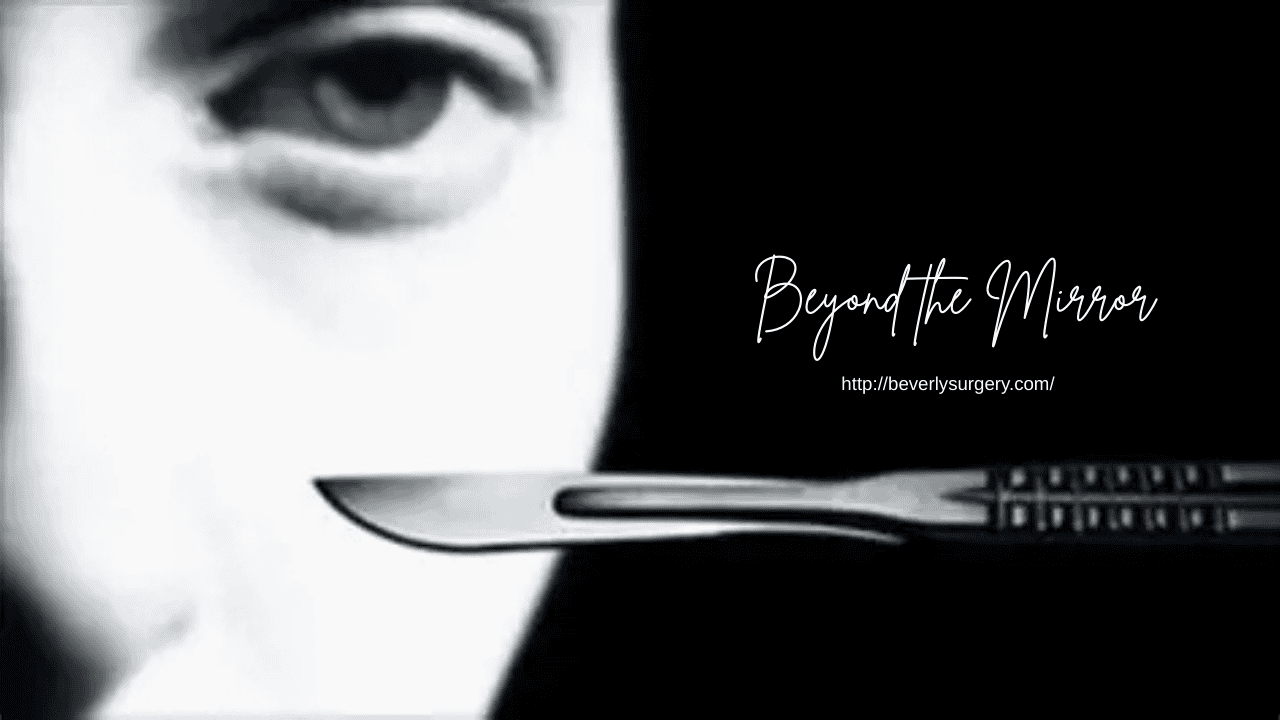
 Cosmetic surgery can be a powerful tool for boosting self-confidence and enhancing quality of life. For many, it provides a way to correct insecurities and step into the world with renewed assurance. But what happens when the pursuit of beauty no longer feels empowering? When the desire for change becomes compulsive, cosmetic surgery can shift from a healthy choice to a harmful dependency. At Beverly Surgery, we understand how delicate this balance can be and provide the support individuals need to break free from the cycle of addiction.
When Cosmetic Enhancements Cross the Line
The Fine Line Between Self-Care and Harm
A single procedure is often motivated by self-care. Yet when one surgery leads to another and satisfaction never comes, it may be a sign of something deeper. Repeated cosmetic procedures can signal underlying struggles such as anxiety, depression, or Body Dysmorphic Disorder. At this stage, cosmetic surgery is no longer about confidence. It becomes a way of masking emotional pain rather than addressing it.
Red Flags That Indicate Risk
Some warning signs include:
Never feeling satisfied after a procedure
Obsessing over perceived flaws that others do not notice
Ignoring medical advice to undergo additional surgeries
Experiencing distress or withdrawal when surgery is not an option
Recognizing these signs early is the first step in preventing cosmetic surgery from becoming harmful.
The Psychological Toll of Cosmetic Surgery Addiction
The emotional impact of repeated surgeries goes beyond physical recovery. Instead of feeling renewed, many patients experience increased anxiety, worsening body image, and financial or relational strain. Over time, the compulsion to undergo surgery can create a cycle of disappointment and desperation. This cycle not only damages emotional health but also makes true healing feel out of reach.
How Beverly Surgery Supports Recovery
Holistic and Individualized Care
At Beverly Surgery, recovery is never one-size-fits-all. We provide comprehensive assessments that address physical, emotional, and spiritual needs. By integrating medical treatment with therapy and holistic practices, we create care plans designed to treat the root causes of addiction.
Inpatient and Outpatient Options
For some, a structured inpatient program provides the intensive care needed to begin recovery. For others, outpatient treatment allows for healing while maintaining daily responsibilities. Both options emphasize compassion, accountability, and the tools necessary to rebuild a healthy sense of self.
Faith-Based Healing
Spirituality can be a powerful resource in recovery. For those who desire faith-based support, Beverly Surgery offers programs that integrate prayer, scripture, and spiritual counseling into treatment. These resources can restore purpose and bring strength in moments of struggle.
Steps Toward Healing
Acknowledge the problem: Admitting that surgery has become a compulsion is a vital first step.
Seek professional support: Trained specialists can help uncover underlying mental health challenges and provide strategies for coping.
Build a support system: Family, friends, and support groups provide encouragement throughout the recovery journey.
Commit to holistic growth: True healing comes when body, mind, and spirit are cared for together.
Conclusion
Cosmetic surgery should enhance life, not control it. When the mirror becomes a source of obsession instead of confidence, it may be time to seek help. At Beverly Surgery, we walk alongside you with compassion, professionalism, and individualized care to guide you toward lasting healing. If you or someone you love is struggling with cosmetic surgery addiction, reach out today. The first step toward freedom begins with asking for help, and we are here to walk that path with you.