
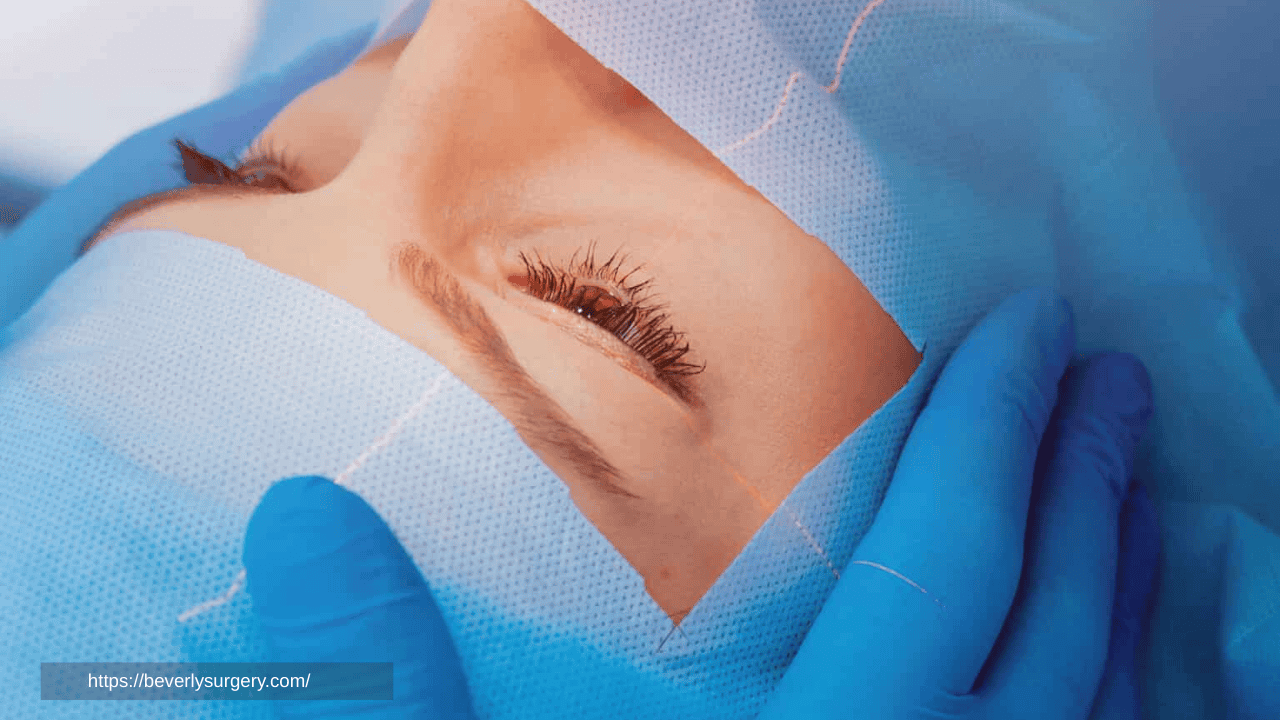
 Cosmetic surgery can be a powerful tool for enhancing confidence and helping individuals feel more aligned with their ideal self-image. However, when procedures become frequent or obsessive, they can cross the line from self-care into harmful behavior. Repeated facelifts or other cosmetic interventions may indicate an underlying struggle that goes beyond aesthetics. At Beverly Surgery, we understand the complexity of this issue, and we offer compassionate, individualized care for those who may be caught in a cycle of surgical compulsion.
Understanding When Cosmetic Surgery Becomes Harmful
The Difference Between Self-Care and Compulsion
It is normal to seek cosmetic enhancements for personal satisfaction and confidence. Self-care involves making choices that promote well-being without causing harm. Compulsive surgery, on the other hand, is characterized by a repeated need to alter appearance despite risks, dissatisfaction, or emotional distress. At Beverly Surgery, we emphasize recognizing these signs early to prevent long-term physical and mental health consequences.
Signs You May Be Crossing the Line
Some indicators that surgery may no longer be self-care include:
Feeling dissatisfied even after multiple procedures
Obsessively planning the next surgery
Experiencing anxiety or depression related to appearance
Ignoring medical advice or safety concerns
Financial strain due to frequent cosmetic procedures
These warning signs are not about judgment but about protecting overall health and well-being.
The Psychological Factors Behind Repeated Procedures
Body Dysmorphic Disorder and Emotional Struggles
Body Dysmorphic Disorder (BDD) is a mental health condition often linked to excessive cosmetic surgery. Individuals with BDD are preoccupied with perceived flaws and may never feel satisfied, regardless of surgical results. Anxiety, low self-esteem, and depression can all fuel a cycle of repeated procedures. At Beverly Surgery, we integrate mental health assessments to identify these underlying factors and tailor treatment plans that address both emotional and physical needs.
Influence of Social and Cultural Pressures
In a society that glorifies perfection and youth, repeated cosmetic procedures can become normalized. Social media, celebrity culture, and peer comparison often reinforce the idea that beauty equals worth. Understanding these pressures is crucial in breaking the cycle and helping individuals develop a healthier sense of self.
Beverly Surgery’s Holistic Approach to Healing
Individualized Treatment Plans
Our programs are designed with each patient’s unique needs in mind. We combine mental health counseling, addiction recovery services, and holistic care to support healing on every level. Therapy sessions help address emotional triggers, while spiritual or faith-based guidance provides additional support for those who seek it.
Inpatient and Outpatient Options
Beverly Surgery offers flexible care options. Inpatient programs provide structured support for those who require intensive intervention, while outpatient care allows individuals to maintain daily routines while receiving therapy and guidance. Both approaches focus on emotional resilience and long-term recovery.
Steps to Reclaim Self-Care
Self-Reflection: Recognize patterns and consider the emotional reasons behind repeated procedures.
Professional Assessment: Seek evaluation from mental health and medical professionals to develop a safe treatment plan.
Therapeutic Support: Engage in therapy to address body image issues and emotional triggers.
Holistic Healing: Incorporate mindfulness, spiritual guidance, or wellness practices to rebuild confidence from within.
Conclusion
Facelifts and cosmetic enhancements can empower, but when they become compulsive, they may signal a deeper need for healing. At Beverly Surgery, we provide compassionate, individualized care that addresses both the physical and psychological aspects of surgical addiction. If you or someone you care about is struggling with repeated cosmetic procedures, reach out today. Healing begins with recognition, support, and taking the first step toward lasting wellness.