
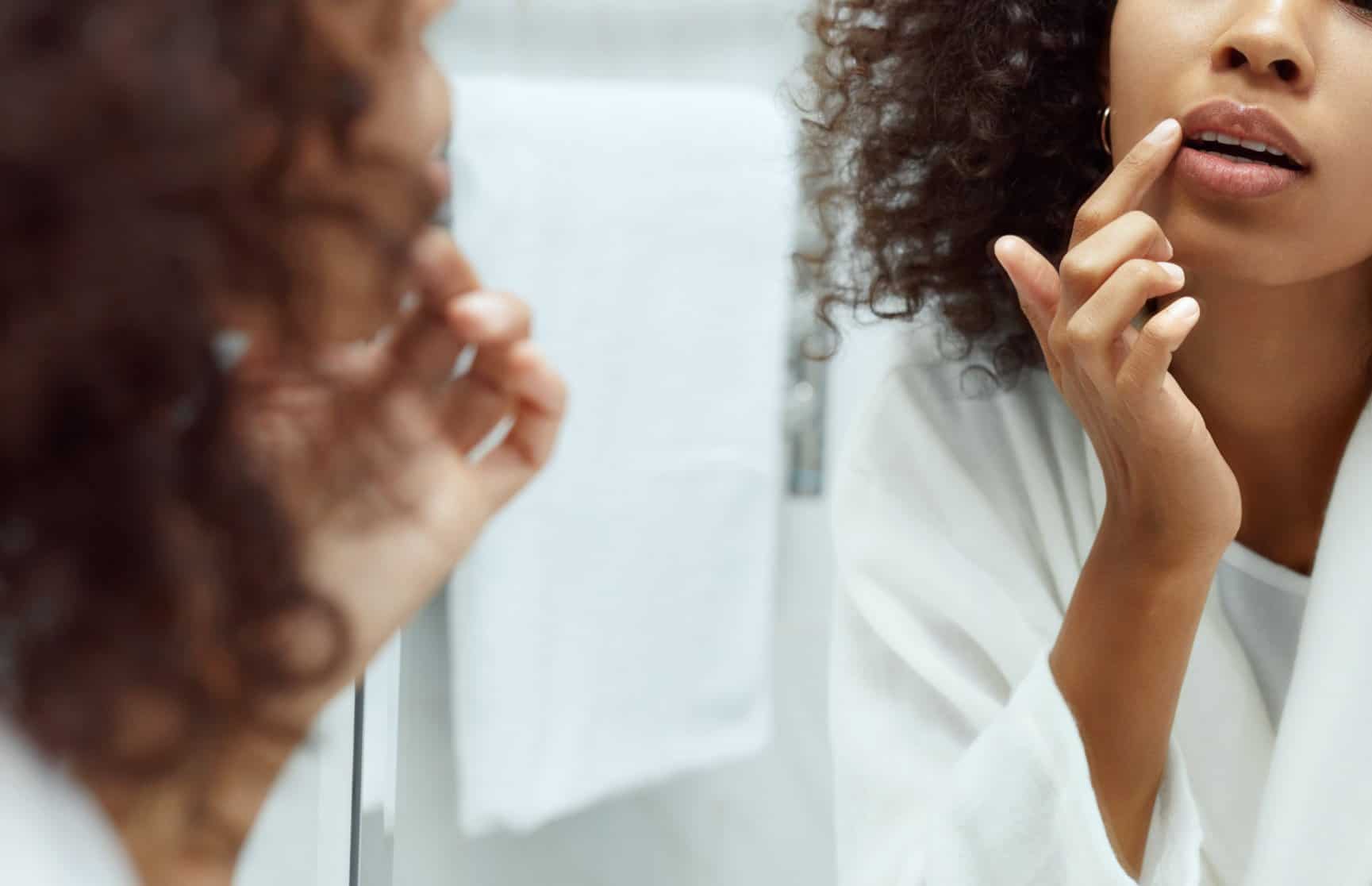
 In Beverly Hills, cosmetic procedures are often seen as a path to confidence, self-expression, and social acceptance. Facelifts, Botox, and other enhancements are widely available, making it easy for anyone to pursue their ideal look. However, for some individuals, the pursuit of perfection becomes more than choice—it becomes compulsion. Cosmetic compulsion can take a serious emotional toll, affecting mental health, relationships, and overall quality of life. At Beverly Surgery, we understand the complex nature of this struggle and provide compassionate, individualized care to help clients break free from harmful patterns.
Understanding Cosmetic Compulsion
When Enhancement Turns Into Addiction
Cosmetic compulsion occurs when individuals feel driven to undergo repeated procedures despite dissatisfaction, health risks, or financial and social consequences. This behavior is often rooted in emotional or psychological challenges such as low self-esteem, anxiety, depression, or Body Dysmorphic Disorder. People may use cosmetic procedures as a temporary solution for deeper struggles, creating a cycle of temporary relief followed by renewed dissatisfaction.
Recognizing the Signs
Identifying cosmetic compulsion early is essential for intervention and recovery. Key indicators include:
Planning new procedures before fully recovering from the last
Persistent dissatisfaction regardless of results
Emotional distress or anxiety when procedures are not possible
Strained relationships or financial challenges due to repeated surgeries
Ignoring medical guidance or taking unnecessary risks
Recognizing these signs allows individuals to seek help before the compulsion escalates.
The Emotional Impact of Chasing Perfection
Mental Health Consequences
Beyond physical risks, repeated cosmetic procedures can take a significant emotional toll. Individuals may experience chronic anxiety, depression, or feelings of inadequacy. The constant drive for perfection often leads to a sense of emptiness, as the temporary satisfaction from procedures fades quickly, leaving emotional needs unmet.
Social and Relationship Strains
Compulsive cosmetic behavior can also affect personal and professional relationships. Loved ones may struggle to understand the pattern, leading to conflict and isolation. Emotional exhaustion from repeated procedures can diminish the quality of life and erode social support networks, compounding mental health challenges.
Addressing Cosmetic Compulsion
Mental Health Treatment as the Core
Recovery requires more than limiting procedures. Addressing the underlying psychological triggers is essential. At Beverly Surgery, our programs combine therapy, counseling, and evidence-based mental health treatments to help clients understand the root causes of their compulsion and develop healthier coping strategies.
Holistic and Faith-Based Approaches
We provide holistic care that treats the whole person, integrating physical, emotional, and spiritual wellness. Faith-based support is available for individuals who wish to incorporate spiritual guidance into their recovery, fostering resilience and long-term healing.
Personalized Inpatient and Outpatient Care
Every recovery journey is unique. Our inpatient programs offer intensive, structured support for those struggling with severe compulsion, while outpatient programs provide flexibility for individuals balancing daily responsibilities. Each plan is tailored to the person’s specific needs, ensuring the best path toward lasting recovery.
Rebuilding Confidence Beyond Appearance
True self-worth comes from internal validation, not just external appearance. Through therapy, mindfulness practices, and supportive care, clients learn to cultivate authentic confidence. Recovery allows individuals to break free from the relentless pursuit of perfection, building emotional strength and a healthier relationship with themselves.
Conclusion
Cosmetic compulsion can create a hidden emotional burden that affects mental, physical, and social well-being. At Beverly Surgery, we provide compassionate, personalized care designed to address both the psychological and physical aspects of cosmetic addiction. If you or a loved one struggles with repeated procedures or emotional distress tied to appearance, recovery is possible. Reach out today to begin a journey toward lasting healing, self-acceptance, and renewed confidence.