
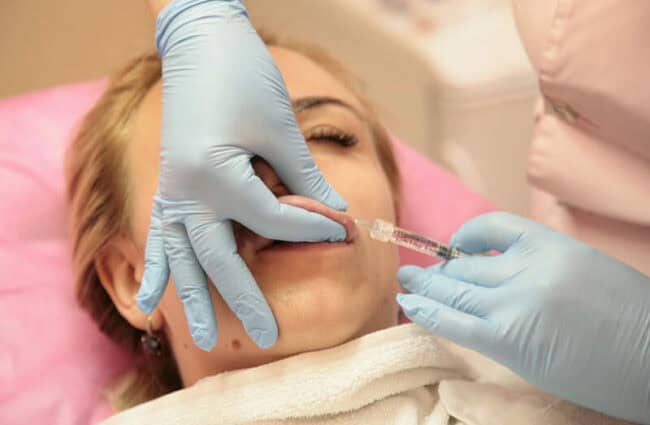
 In Beverly Hills, cosmetic procedures are often viewed as a tool for self-expression, confidence, and personal empowerment. Facelifts, Botox, and other enhancements are accessible and widely accepted, making it easy to pursue aesthetic goals. However, for some individuals, the desire to perfect one’s appearance can spiral into a compulsive pattern. Plastic surgery addiction is a serious issue that can affect mental health, relationships, and overall well-being. At Beverly Surgery, we focus on helping clients recognize these patterns and provide compassionate, individualized support to break the cycle of compulsive cosmetic behavior.
Understanding Plastic Surgery Addiction
What It Is and How It Develops
Plastic surgery addiction occurs when an individual repeatedly seeks cosmetic procedures despite dissatisfaction, risk, or emotional distress. This compulsion often stems from underlying mental health challenges such as anxiety, depression, low self-esteem, or Body Dysmorphic Disorder. While a single procedure can be empowering, repeated surgeries may serve as a temporary solution to deeper emotional struggles, creating a cycle that is difficult to break without professional intervention.
Why Awareness Matters
Many people do not realize they are developing a dependency until it begins to affect their daily life. Recognizing the signs early is essential to prevent long-term emotional and physical consequences.
Key Signs of Plastic Surgery Addiction
Emotional Indicators
Persistent dissatisfaction with results, no matter how many procedures are completed
Heightened anxiety or depression related to appearance
Feeling compelled to compare oneself to others constantly
Emotional distress when cosmetic treatments are unavailable
Behavioral Indicators
Planning multiple procedures simultaneously or back-to-back
Financial strain caused by frequent surgeries
Neglecting responsibilities or relationships in pursuit of cosmetic enhancements
Ignoring medical advice or safety recommendations
These signs indicate that cosmetic procedures have moved beyond self-care and may be masking deeper emotional needs.
The Impact on Mental and Physical Health
Emotional Consequences
Plastic surgery addiction can erode self-esteem, leading to a continuous cycle of dissatisfaction and anxiety. The temporary satisfaction gained from each procedure often fades quickly, leaving individuals emotionally depleted and increasingly dependent on cosmetic interventions.
Physical and Social Consequences
Repeated procedures carry physical risks, including complications, prolonged recovery, and unwanted side effects. Socially, relationships may suffer as loved ones struggle to understand the compulsive behavior. Isolation and conflict can exacerbate emotional challenges, making recovery more difficult without professional support.
Addressing Plastic Surgery Addiction
Mental Health Treatment as a Cornerstone
Recovery begins by addressing the psychological roots of compulsion. At Beverly Surgery, our programs combine therapy, counseling, and evidence-based mental health treatments to help clients understand why they seek repeated procedures and develop healthier coping mechanisms.
Holistic and Faith-Based Care
We offer holistic approaches that treat the mind, body, and spirit. Faith-based support is also available for those seeking spiritual guidance, fostering resilience and inner peace throughout the recovery process.
Personalized Inpatient and Outpatient Programs
Every recovery journey is unique. Inpatient care provides immersive, structured support for those struggling with severe compulsion, while outpatient programs allow individuals to integrate therapy and recovery into daily life. Our individualized plans focus on breaking the cycle of addiction and rebuilding self-worth.
Moving Beyond Appearance
True confidence comes from understanding and valuing oneself beyond physical appearance. Through therapy, holistic care, and ongoing support, clients learn to build self-esteem, manage anxiety, and develop healthy self-image. Recovery allows individuals to enjoy cosmetic enhancements responsibly, without letting appearance control their emotional well-being.
Conclusion
Plastic surgery can enhance confidence and self-expression, but when it becomes a compulsion, it carries emotional, physical, and social costs. At Beverly Surgery, we provide compassionate, personalized care that addresses both the psychological and physical aspects of cosmetic addiction. If you or a loved one is struggling with repeated procedures or emotional distress related to appearance, help is available. Reach out to Beverly Surgery today and take the first step toward holistic healing, authentic self-worth, and lasting emotional balance.