
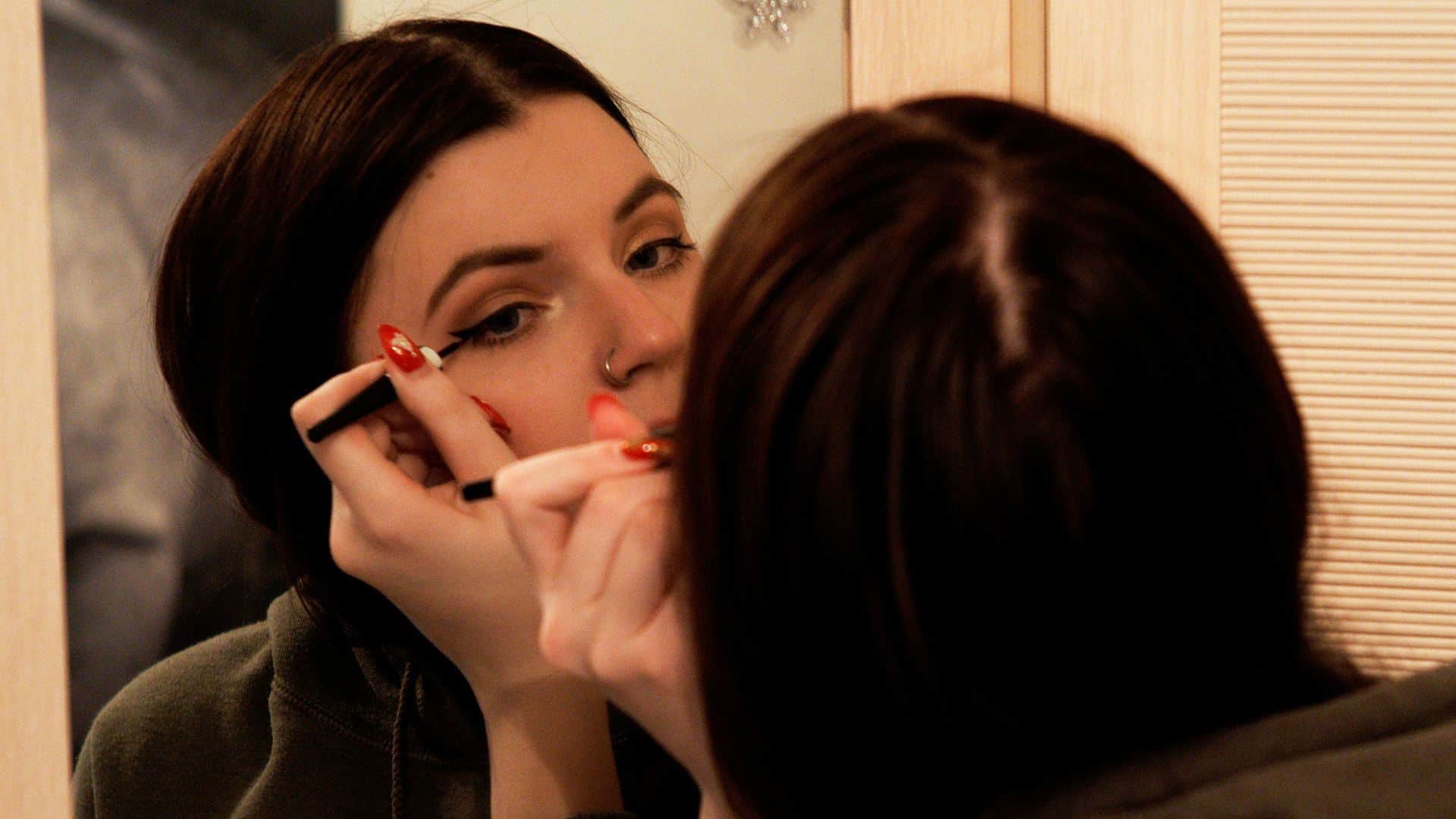
 In Beverly Hills, cosmetic procedures are often seen as a symbol of confidence, success, and self-expression. Facelifts, Botox, and other enhancements are widely available, making it easy to pursue an ideal appearance. However, for some individuals, these procedures can evolve into a compulsion that goes beyond vanity. Cosmetic addiction is a hidden struggle that affects mental health, emotional well-being, and personal relationships. At Beverly Surgery, we focus on identifying these patterns and providing compassionate, holistic support to help individuals break the cycle and find lasting healing.
Understanding Cosmetic Addiction
When Cosmetic Enhancements Become Compulsive
Cosmetic addiction occurs when individuals feel driven to undergo repeated procedures despite dissatisfaction, health risks, or emotional strain. This compulsion often stems from underlying mental health challenges such as anxiety, depression, low self-esteem, or Body Dysmorphic Disorder. While one procedure can enhance confidence, repeated interventions without addressing emotional needs may lead to chronic dissatisfaction and emotional distress.
Recognizing the Warning Signs
Early recognition of compulsive behavior is critical. Signs of cosmetic addiction include:
Scheduling new procedures before recovering from the last
Persistent dissatisfaction with results
Emotional distress when procedures are delayed or unavailable
Financial or relational strain due to repeated surgeries
Ignoring medical guidance or taking unnecessary risks
Understanding these signs can help individuals seek professional support before the behavior escalates.
The Emotional and Psychological Impact
Mental Health Consequences
Cosmetic addiction is not just about appearance—it carries serious emotional consequences. Individuals may experience anxiety, depression, or chronic stress as they chase an unattainable ideal. The temporary satisfaction from each procedure often fades quickly, leaving a void that can intensify compulsive behavior and perpetuate emotional suffering.
Relationship and Social Effects
Compulsive cosmetic behavior can strain relationships with family, friends, and colleagues. Loved ones may struggle to understand the repeated procedures, leading to tension, isolation, or conflict. Over time, these social consequences can deepen emotional distress and hinder recovery without professional guidance.
How Beverly Surgery Supports Recovery
Mental Health Treatment as a Foundation
Recovery begins with addressing the underlying psychological factors driving compulsive cosmetic behavior. At Beverly Surgery, our programs combine therapy, counseling, and evidence-based mental health treatment to help clients identify triggers, process emotional challenges, and develop healthier coping strategies.
Holistic and Faith-Based Care
We provide care that treats the whole person—mind, body, and spirit. For those seeking spiritual guidance, faith-based support is integrated into our programs, fostering resilience, self-compassion, and inner peace. Holistic care helps clients cultivate emotional strength that is independent of physical appearance.
Personalized Inpatient and Outpatient Programs
Every recovery journey is unique. Our inpatient programs offer structured, immersive support for individuals struggling with severe compulsion, while outpatient programs allow clients to receive care while maintaining daily responsibilities. Each plan is tailored to meet the individual’s needs, ensuring a balanced approach to recovery and lasting emotional healing.
Rebuilding Confidence and Self-Worth
True confidence comes from valuing oneself beyond external appearance. Through therapy, mindfulness, and holistic support, clients learn to establish healthy self-esteem, manage anxiety, and develop a balanced relationship with their body. Recovery allows individuals to pursue cosmetic procedures responsibly, without letting appearance define their worth.
Conclusion
Cosmetic procedures can enhance self-expression and confidence, but when they become compulsive, they carry emotional, mental, and social consequences. At Beverly Surgery, we provide compassionate, individualized care to address both the psychological and physical aspects of cosmetic addiction. If you or someone you love is struggling with repeated procedures or emotional distress related to appearance, help is available. Reach out today to take the first step toward holistic healing, authentic self-worth, and lasting emotional well-being.