
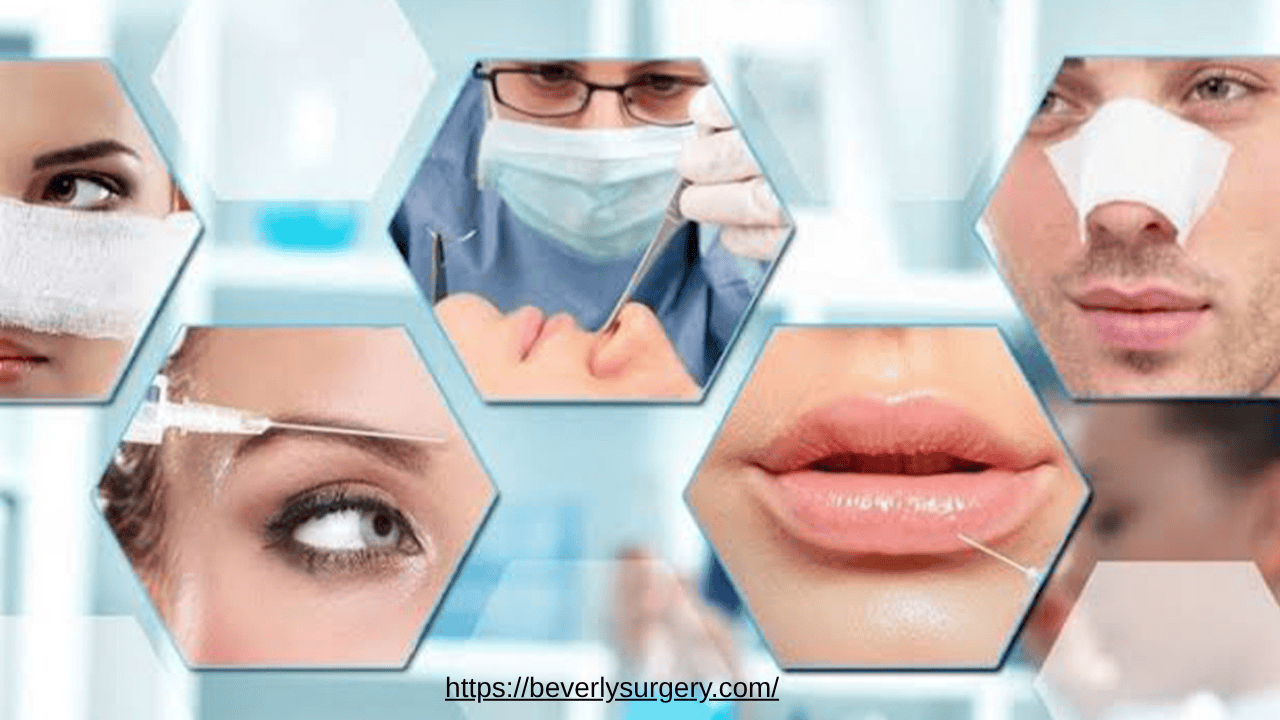
 Cosmetic procedures can provide a boost in confidence and a sense of self-expression. For many, one well-planned procedure enhances appearance without affecting emotional health. But when cosmetic goals become obsessive, the results can be harmful, creating cycles of dissatisfaction, anxiety, and compulsive behavior. At Beverly Surgery, we believe that safe and healthy cosmetic choices start with understanding your emotional needs. True beauty is not only about physical appearance but also about aligning your choices with mental wellness.
Understanding the Connection Between Mental Health and Cosmetic Decisions
When Self-Improvement Becomes a Compulsion
It is natural to want to look your best, but repeated procedures driven by insecurity, perfectionism, or comparison may indicate an unhealthy pattern. Cosmetic obsession often masks underlying mental health concerns such as anxiety, depression, or Body Dysmorphic Disorder. Without addressing these issues, each new procedure may provide only temporary satisfaction, perpetuating a cycle that is physically, emotionally, and financially draining.
Red Flags of Cosmetic Obsession
Recognizing early warning signs is key to making safe choices. These may include:
Planning multiple procedures in a short time frame
Constant dissatisfaction despite visible improvements
Using cosmetic procedures to cope with emotional distress
Financial or relational strain caused by frequent treatments
Ignoring professional advice or safety guidelines
If these behaviors feel familiar, it is important to pause and consider your mental health needs before pursuing additional procedures.
The Role of Mental Health in Safe Cosmetic Practices
Addressing Emotional Triggers
Safe cosmetic goals start with understanding the “why” behind each decision. Therapy and mental health assessments help identify emotional triggers, self-esteem challenges, and unrealistic expectations. By addressing these factors, individuals can approach cosmetic enhancements with clarity and intention rather than compulsion.
Holistic and Individualized Support
At Beverly Surgery, we provide programs that integrate mental health care with holistic and faith-based approaches. This allows individuals to heal emotionally and spiritually while making informed decisions about their bodies. Therapy, counseling, and support groups provide tools for self-reflection, resilience, and long-term well-being.
Inpatient and Outpatient Options
Depending on individual needs, Beverly Surgery offers both inpatient and outpatient care. Inpatient programs provide structured guidance for those struggling with compulsive behaviors, while outpatient care offers flexibility and ongoing support. Every treatment plan is personalized to ensure that cosmetic goals align with mental wellness, not obsession.
Creating a Healthy Relationship with Cosmetic Enhancement
Setting Intentional Goals
Safe cosmetic practices are guided by thoughtful intention rather than impulsive desire. Individuals are encouraged to set realistic expectations, evaluate their emotional readiness, and consult professionals who prioritize overall well-being.
Building Self-Worth Beyond Appearance
True confidence grows when self-worth is grounded in identity, skills, and relationships, not just physical appearance. Therapy, spiritual guidance, and supportive community environments help reinforce this mindset, reducing the risk of compulsive cosmetic behavior.
Conclusion
Cosmetic procedures can enhance life, but only when decisions are guided by mental health, not obsession. At Beverly Surgery, we provide compassionate, personalized care that addresses both emotional and physical needs. By integrating mental health treatment, holistic support, and evidence-based therapy, our clients learn to make safe choices and build lasting confidence.
If you or someone you love struggles with the pressure to pursue endless cosmetic procedures, reach out to Beverly Surgery today. Healing begins with aligning self-care with mental wellness, and our team is here to guide you every step of the way.