
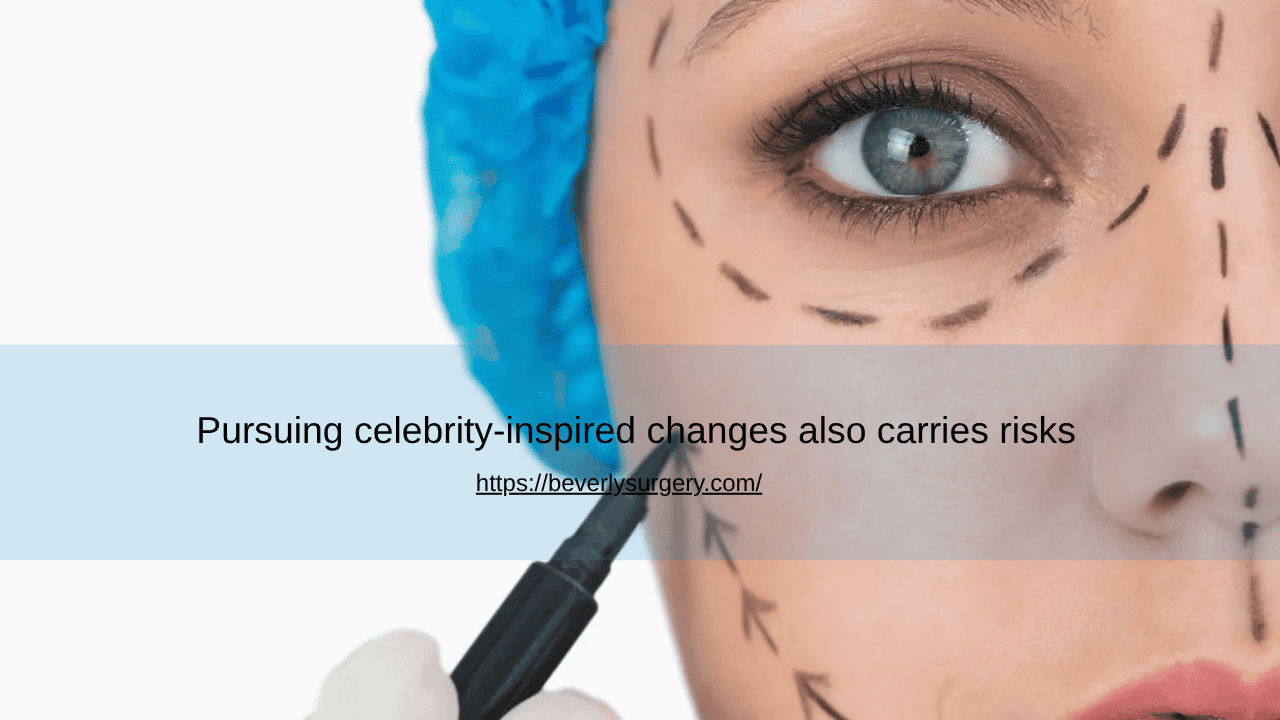
Celebrity Look-Alikes: Understanding the Risks and Rewards of Beverly Hills Plastic Surgery

In Beverly Hills, the allure of celebrity beauty can be powerful. Many individuals seek cosmetic procedures inspired by their favorite stars, hoping to capture a bit of that glamour in their own lives. While cosmetic surgery can provide confidence and enhance self-esteem, the pursuit of a “celebrity look” carries both rewards and risks. At Beverly Surgery, we focus on helping individuals make informed, healthy decisions while addressing the emotional and psychological factors that often drive these choices.


The Appeal of Celebrity-Inspired Cosmetic Surgery

Chasing an Ideal

It is natural to admire public figures and desire to emulate aspects of their appearance. The media often reinforces narrow beauty standards, making it easy for anyone to feel that altering their features could lead to greater acceptance, admiration, or confidence. In moderation, cosmetic procedures can be empowering and life-enhancing, helping patients feel aligned with their personal aesthetic goals.

The Psychological Motivations

Behind the desire to look like a celebrity, there may be deeper emotional triggers. Low self-esteem, social pressure, or unresolved trauma can intensify the compulsion for cosmetic enhancements. Understanding these motivations is crucial to ensure that surgery serves personal well-being rather than masking underlying struggles.


Weighing the Rewards and Risks

Potential Benefits

Cosmetic procedures can offer several positive outcomes when approached responsibly:

  • Increased self-confidence and body satisfaction

  • Enhanced social comfort and professional presence

  • Corrective changes that improve function or symmetry

However, these benefits are best achieved when expectations are realistic and the underlying emotional health of the patient is supported.

Recognizing the Risks

Pursuing celebrity-inspired changes also carries risks, particularly when procedures become repetitive or compulsive. Some potential challenges include:

  • Dissatisfaction due to unrealistic comparisons

  • Physical complications or prolonged recovery

  • Financial strain from multiple procedures

  • Emotional exhaustion or compulsive behavior

Repeated attempts to mimic celebrity features without addressing emotional needs can lead to a pattern similar to cosmetic addiction.


How Beverly Surgery Supports Healthy Choices

Holistic and Individualized Care

At Beverly Surgery, we prioritize the whole person. Our programs integrate medical expertise with mental health treatment and holistic practices. By assessing emotional and psychological well-being alongside cosmetic goals, we help clients make choices that enhance self-confidence without compromising mental health.

Inpatient and Outpatient Support

We offer both inpatient and outpatient programs to meet varying needs. Inpatient care provides intensive support for individuals struggling with compulsive cosmetic behaviors, while outpatient options allow patients to integrate therapy, counseling, and recovery practices into daily life.

Faith-Based and Emotional Support

For those who seek spiritual guidance, Beverly Surgery incorporates faith-based practices to strengthen resilience and promote inner peace. Combining spiritual care with evidence-based therapy ensures that patients can heal from within while pursuing aesthetic goals responsibly.


Making Informed and Balanced Decisions

Choosing cosmetic procedures should be a personal, thoughtful decision rather than a reaction to external pressures. By reflecting on motivations, seeking professional guidance, and addressing emotional health, patients can enjoy the rewards of cosmetic surgery without falling into compulsive patterns. True confidence comes from aligning self-image with self-worth, not just appearance.


Conclusion

Beverly Hills cosmetic surgery can transform how individuals see themselves, but it should never replace emotional healing. At Beverly Surgery, we help patients navigate the complexities of aesthetic desire, emotional well-being, and personal fulfillment. If you or someone you love is drawn to cosmetic procedures and struggling with pressure to look like a celebrity, reach out today. Our compassionate, holistic approach provides the guidance, support, and tools to make healthy, lasting choices.
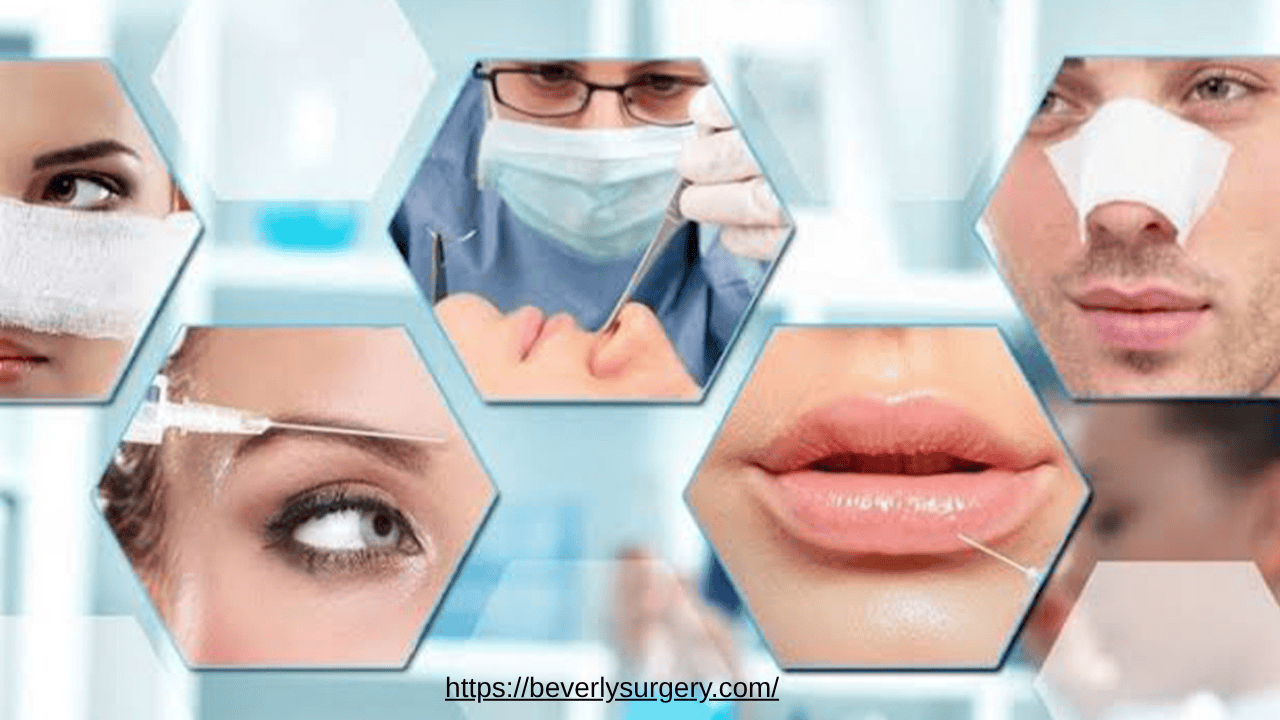
Safe Choices: Aligning Cosmetic Goals with Mental Health, Not Obsession

Cosmetic procedures can provide a boost in confidence and a sense of self-expression. For many, one well-planned procedure enhances appearance without affecting emotional health. But when cosmetic goals become obsessive, the results can be harmful, creating cycles of dissatisfaction, anxiety, and compulsive behavior. At Beverly Surgery, we believe that safe and healthy cosmetic choices start with understanding your emotional needs. True beauty is not only about physical appearance but also about aligning your choices with mental wellness.

Understanding the Connection Between Mental Health and Cosmetic Decisions

When Self-Improvement Becomes a Compulsion

It is natural to want to look your best, but repeated procedures driven by insecurity, perfectionism, or comparison may indicate an unhealthy pattern. Cosmetic obsession often masks underlying mental health concerns such as anxiety, depression, or Body Dysmorphic Disorder. Without addressing these issues, each new procedure may provide only temporary satisfaction, perpetuating a cycle that is physically, emotionally, and financially draining.

Red Flags of Cosmetic Obsession

Recognizing early warning signs is key to making safe choices. These may include:

  • Planning multiple procedures in a short time frame

  • Constant dissatisfaction despite visible improvements

  • Using cosmetic procedures to cope with emotional distress

  • Financial or relational strain caused by frequent treatments

  • Ignoring professional advice or safety guidelines

If these behaviors feel familiar, it is important to pause and consider your mental health needs before pursuing additional procedures.


The Role of Mental Health in Safe Cosmetic Practices

Addressing Emotional Triggers

Safe cosmetic goals start with understanding the “why” behind each decision. Therapy and mental health assessments help identify emotional triggers, self-esteem challenges, and unrealistic expectations. By addressing these factors, individuals can approach cosmetic enhancements with clarity and intention rather than compulsion.

Holistic and Individualized Support

At Beverly Surgery, we provide programs that integrate mental health care with holistic and faith-based approaches. This allows individuals to heal emotionally and spiritually while making informed decisions about their bodies. Therapy, counseling, and support groups provide tools for self-reflection, resilience, and long-term well-being.

Inpatient and Outpatient Options

Depending on individual needs, Beverly Surgery offers both inpatient and outpatient care. Inpatient programs provide structured guidance for those struggling with compulsive behaviors, while outpatient care offers flexibility and ongoing support. Every treatment plan is personalized to ensure that cosmetic goals align with mental wellness, not obsession.


Creating a Healthy Relationship with Cosmetic Enhancement

Setting Intentional Goals

Safe cosmetic practices are guided by thoughtful intention rather than impulsive desire. Individuals are encouraged to set realistic expectations, evaluate their emotional readiness, and consult professionals who prioritize overall well-being.

Building Self-Worth Beyond Appearance

True confidence grows when self-worth is grounded in identity, skills, and relationships, not just physical appearance. Therapy, spiritual guidance, and supportive community environments help reinforce this mindset, reducing the risk of compulsive cosmetic behavior.


Conclusion

Cosmetic procedures can enhance life, but only when decisions are guided by mental health, not obsession. At Beverly Surgery, we provide compassionate, personalized care that addresses both emotional and physical needs. By integrating mental health treatment, holistic support, and evidence-based therapy, our clients learn to make safe choices and build lasting confidence.

If you or someone you love struggles with the pressure to pursue endless cosmetic procedures, reach out to Beverly Surgery today. Healing begins with aligning self-care with mental wellness, and our team is here to guide you every step of the way.

Healing From Within: Why Addiction Recovery Matters Beyond Cosmetic Fixes

In a world where physical beauty is often celebrated as success, it’s easy to believe that changing our appearance will also change how we feel inside. Cosmetic enhancements can offer temporary confidence, but for some individuals, they become a way to mask emotional pain rather than heal it. When the pursuit of perfection turns into dependency, the deeper issue is not skin deep—it’s emotional and spiritual. At Beverly Surgery, we understand that true healing begins from within, and our addiction recovery programs are designed to restore not only balance but genuine self-worth.

Beyond the Surface: Understanding Cosmetic Dependency

When Fixing the Outside Doesn’t Fix the Inside

Cosmetic procedures can be empowering when approached with healthy intentions. However, for some, they become a coping mechanism to manage anxiety, low self-esteem, or unresolved trauma. The constant desire for “just one more” treatment may seem harmless at first, but over time it can evolve into compulsive behavior.

This pattern is often linked to underlying mental health challenges such as depression, body dysmorphia, or addiction tendencies. The truth is that no cosmetic fix can permanently heal emotional wounds. Without addressing the root cause, the satisfaction from each procedure quickly fades, leaving individuals feeling even more unfulfilled.


The Emotional Cost of Chasing Perfection

The Hidden Impact on Mental Health

The constant pressure to look better or maintain youth can create a cycle of emotional distress. Individuals may experience anxiety, guilt, or shame over their appearance, especially when the results fail to meet expectations. This emotional burden can isolate individuals from loved ones, leading to a deeper sense of loneliness.

At Beverly Surgery, we believe that recognizing this struggle is not a sign of weakness but a powerful step toward healing. Understanding the link between cosmetic behavior and emotional pain opens the door to meaningful recovery.


How Addiction Recovery Helps Heal from Within

Addressing the Root Cause

Addiction recovery is not just about stopping a behavior—it’s about understanding what drives it. Our team at Beverly Surgery helps clients uncover the emotional and psychological roots of their compulsions. Through therapy, counseling, and holistic interventions, we help individuals gain clarity about their self-image and develop healthier ways to cope with emotional challenges.

A Holistic and Faith-Based Approach

Healing is most effective when it treats the whole person—body, mind, and spirit. Beverly Surgery’s recovery programs combine evidence-based therapies with faith-based care for those who wish to connect spiritual growth to their healing process. This integrative approach allows individuals to rediscover peace, purpose, and a sense of wholeness that no external change can provide.

Personalized Treatment Plans

Every journey is unique, which is why Beverly Surgery offers both inpatient and outpatient options. Inpatient care provides structured support and immersive healing, while outpatient treatment allows clients to balance recovery with their daily lives. Every plan is personalized to address the individual’s specific needs, challenges, and goals for long-term success.


Building Lasting Confidence and Self-Worth

True confidence comes not from appearance but from self-acceptance. Through guided therapy, mindfulness, and supportive care, patients learn to view themselves with compassion and gratitude. As emotional wounds begin to heal, the compulsion for cosmetic enhancement fades, replaced by a sense of peace and inner strength.

At Beverly Surgery, we have seen how this transformation changes lives. When individuals reconnect with their inner worth, they discover a beauty that lasts far beyond any procedure.


Taking the First Step Toward Inner Healing

Recovery from cosmetic addiction and emotional dependency begins with recognizing that healing cannot be found in a mirror. It starts with courage—the courage to look within and seek help. At Beverly Surgery, we are here to walk beside you every step of the way, offering compassionate care, evidence-based treatment, and faith-driven support that honors your journey.

If you or someone you love feels trapped in the cycle of cosmetic dependency or emotional exhaustion, take the first step today. Reach out to Beverly Surgery and discover how true healing begins not with changing the outside, but with finding peace within.

Defining True Self‑Worth: Overcoming the Pressure for Perfection

In a world that celebrates flawless beauty and constant self-improvement, it can be easy to believe that our value depends on how we look. From social media filters to cosmetic enhancements, the pressure to appear perfect can lead many to chase an impossible ideal. For some, this pursuit becomes overwhelming, affecting mental health and self-esteem. At Beverly Surgery, we help individuals move beyond these external expectations by focusing on holistic healing, self-acceptance, and authentic confidence.

The Modern Struggle with Perfection

When Comparison Becomes a Cycle

The rise of digital culture has made comparison a part of everyday life. Scrolling through photos of seemingly perfect faces and bodies can leave anyone questioning their worth. For individuals already battling insecurity or emotional pain, this comparison can become toxic, leading to unhealthy behaviors such as repeated cosmetic procedures or disordered thinking about appearance.

The Emotional Cost of Unrealistic Standards

Trying to meet society’s version of perfection often comes with emotional consequences. Feelings of inadequacy, anxiety, and depression can surface when physical changes fail to create lasting happiness. Many find themselves trapped in a cycle of dissatisfaction, constantly searching for another way to “fix” what they perceive as flaws. This pursuit does not lead to confidence. Instead, it deepens the sense that one is never enough.


Rediscovering Self-Worth Through Healing

Understanding the Root Cause

True self-worth does not come from the mirror. It comes from understanding and healing the inner wounds that drive perfectionism. Often, the need for approval or control stems from unresolved trauma, fear of rejection, or past criticism. Mental health treatment can help uncover these roots, offering clarity and tools for genuine self-acceptance.

The Role of Holistic Care

At Beverly Surgery, we approach healing with compassion and balance. Our holistic and faith-based programs address the physical, emotional, and spiritual aspects of recovery. This integrated care allows individuals to rebuild self-esteem, strengthen resilience, and discover peace that is not dependent on external validation. Through therapy, mindfulness, and spiritual reflection, patients begin to reconnect with their true selves.


Building Confidence That Lasts

Individualized Support for Every Journey

No two paths to healing are the same. That is why Beverly Surgery offers both inpatient and outpatient treatment options, customized to each person’s needs. Whether through intensive, structured care or flexible outpatient therapy, our focus remains on helping individuals rediscover their worth and purpose.

Replacing Perfection with Purpose

Recovery from the pressure of perfection means shifting focus from how one looks to who one is. By cultivating gratitude, self-compassion, and inner strength, individuals can begin to find meaning that extends far beyond appearance. When this transformation happens, confidence becomes authentic and lasting.


Taking the First Step Toward Inner Freedom

Breaking free from the pressure for perfection takes courage, but it begins with one choice: to value yourself beyond what others see. At Beverly Surgery, we are here to guide that journey with care rooted in respect, understanding, and hope. Our team provides the support needed to rebuild confidence, renew faith, and rediscover peace within.

If you or someone you care about is struggling with body image, self-esteem, or cosmetic addiction, reach out today. Healing is possible, and your worth has never depended on perfection. It begins with the decision to see yourself as already enough.

From Botox to Burnout: When Plastic Surgery Becomes a Compulsion

In Beverly Hills and beyond, cosmetic procedures like Botox, fillers, and facelifts have become increasingly normalized. For many, these treatments offer a boost of confidence and a way to align outer appearance with inner vitality. But when one procedure quickly leads to another, and satisfaction is always out of reach, cosmetic enhancement can shift from self-care to compulsion. This cycle is not only physically draining but emotionally exhausting, leading to what many describe as burnout. At Beverly Surgery, we understand that healing requires more than avoiding the next appointment. It requires addressing the underlying emotional and psychological needs with compassionate, holistic care.


Understanding Cosmetic Compulsion

Where Confidence Turns into Obsession

Cosmetic procedures can be empowering, but for some individuals, the pursuit of perfection never ends. What begins with a small enhancement often escalates into repeated treatments. When the desire for more becomes overwhelming, it signals a deeper struggle. This is not about vanity but about the emotional weight of dissatisfaction, insecurity, or unhealed trauma.

Signs of Plastic Surgery Addiction

Recognizing the warning signs is key to breaking the cycle. These may include:

  • Constantly planning the next procedure, even before the last one has healed

  • Feeling anxious, distressed, or dissatisfied despite multiple treatments

  • Strained finances, relationships, or work due to surgeries

  • Relying on procedures as the main source of self-worth

When these patterns emerge, what once felt like empowerment can become a heavy burden.


The Emotional and Physical Toll

Why Burnout Happens

Undergoing frequent cosmetic procedures takes a toll on the body, but the mental strain is often even greater. Individuals may feel exhausted by the endless pursuit of improvement, yet powerless to stop. Burnout in this context is not just fatigue. It is the emotional depletion that comes from chasing an unattainable version of perfection.

The Psychological Connection

Compulsive cosmetic behavior often has ties to deeper mental health challenges such as anxiety, depression, or Body Dysmorphic Disorder. Without addressing these conditions, the cycle continues, leaving individuals more drained and less fulfilled with every procedure.


Pathways to Recovery

Mental Health Treatment as the Key

Cosmetic addiction cannot be healed with another surgery. It requires turning inward. At Beverly Surgery, we help individuals uncover the root causes of their compulsion through therapy, counseling, and evidence-based treatments. By addressing the emotional struggles that fuel the cycle, recovery becomes possible.

Holistic and Faith-Based Care

True healing involves more than mental health support. Our holistic programs integrate physical, emotional, and spiritual wellness. For individuals who value faith-based care, spiritual practices can provide strength and purpose beyond appearances. This whole-person approach creates a foundation for lasting recovery.

Inpatient and Outpatient Options

Every journey is unique. Some individuals benefit from the immersive support of inpatient care, while others thrive in flexible outpatient programs. At Beverly Surgery, treatment plans are personalized, respecting each person’s circumstances and goals.


Rebuilding a Healthier Self-Image

Recovery is about more than avoiding procedures. It is about learning to value oneself beyond physical appearance. Through therapy, support networks, and practical coping skills, individuals can rediscover confidence that is grounded in authenticity rather than constant change. This transformation allows beauty to be seen as an expression of self, not an endless pursuit.


Taking the Next Step Toward Healing

Cosmetic procedures can enhance, but they should never control. When Botox, fillers, or surgeries shift from choice to compulsion, it is time to pause and seek support. At Beverly Surgery, we are here to help individuals break free from the exhausting cycle of cosmetic addiction with care that is compassionate, professional, and deeply personal.

If you or someone you love feels caught between endless enhancements and emotional burnout, know that healing is possible. Contact Beverly Surgery today to begin a path toward balance, wellness, and lasting peace of mind.

Breaking Free: How Mental Health Treatment Can End the Cycle of Cosmetic Addiction

In a city where beauty often feels like currency, the desire for cosmetic enhancement can sometimes spiral into something far more serious. While one procedure may begin as an act of self-care, repeated surgeries driven by dissatisfaction or pressure can lead to cosmetic addiction. This cycle is not just about appearances. It is a complex struggle tied to self-worth, mental health, and the need for deeper healing. At Beverly Surgery, we understand that breaking free from cosmetic addiction requires more than physical restraint. It requires compassionate, individualized mental health treatment that empowers people to rebuild confidence from the inside out.

Understanding Cosmetic Addiction

When Self-Improvement Becomes Harmful

Cosmetic addiction occurs when a person feels compelled to undergo repeated procedures, often without ever feeling satisfied. This behavior is usually linked to underlying conditions such as anxiety, depression, or Body Dysmorphic Disorder. Instead of addressing these root causes, the pursuit of constant enhancements creates a cycle that temporarily masks pain but never truly resolves it.

Recognizing the Warning Signs

Some common red flags of cosmetic addiction include:

  • Planning the next procedure immediately after one is completed

  • Feeling constant dissatisfaction with results, regardless of outcome

  • Straining finances or relationships to pursue surgeries

  • Experiencing emotional distress when procedures are not possible

Recognizing these signs is the first step toward healing.


Why Mental Health Treatment Matters

Addressing the Root Cause

Surgery can change how someone looks, but it cannot heal the deeper wounds that fuel cosmetic addiction. Mental health treatment helps individuals uncover the underlying emotions and thought patterns driving their compulsion. By addressing trauma, self-esteem issues, or distorted self-image, treatment provides lasting solutions instead of temporary fixes.

Holistic Healing at Beverly Surgery

At Beverly Surgery, we believe in treating the whole person. Our programs combine evidence-based therapies with holistic and faith-based approaches for those who wish to draw on spiritual strength. This integrative care allows individuals to reconnect with themselves, manage stress in healthier ways, and find peace that does not depend on constant physical changes.


Personalized Paths to Recovery

Inpatient and Outpatient Care

No two journeys to recovery are the same. For some, inpatient treatment provides the structured, immersive support needed to reset old patterns. For others, outpatient care offers flexibility while still providing access to counseling, therapy, and community support. At Beverly Surgery, every plan is tailored to the individual, ensuring care that respects personal circumstances and needs.

Building a Healthier Self-Image

Through therapy, group support, and practical coping strategies, patients learn to redefine their relationship with themselves. Instead of chasing beauty through procedures, they discover their worth beyond appearance. This shift is the key to breaking free from the cycle of cosmetic addiction.


Taking the First Step Toward Lasting Change

Healing from cosmetic addiction is not about rejecting beauty. It is about rediscovering balance, confidence, and peace of mind. If you or someone you care about is struggling with repeated procedures or overwhelming dissatisfaction with appearance, help is available. At Beverly Surgery, our compassionate team is here to guide you toward recovery with care that addresses both the mind and the spirit.

You deserve more than temporary fixes. You deserve healing that lasts. Reach out to Beverly Surgery today and take the first step toward breaking free from cosmetic addiction.

When Enhancements Hurt: Identifying Plastic Surgery Addiction and Finding Help

Cosmetic surgery can be empowering when done for the right reasons. A small adjustment can help someone feel more confident or restore a sense of self after major life changes. But when one procedure turns into another, and then another, the search for perfection may become harmful. Plastic surgery addiction is a real and growing concern, and its impact goes far beyond the physical. At Beverly Surgery, we help individuals recognize when enhancements cross the line and provide compassionate support for healing both inside and out.


Understanding Plastic Surgery Addiction

More Than Just Vanity

Plastic surgery addiction is not about vanity. It often stems from deeper issues such as anxiety, depression, or Body Dysmorphic Disorder. Individuals may feel driven to “fix” perceived flaws that others do not notice. Even after multiple procedures, satisfaction remains out of reach, leading to a harmful cycle of repeated surgeries.

Signs That Surgery Is No Longer Self-Care

Recognizing the warning signs is key to breaking the cycle. Some indicators include:

  • Constant dissatisfaction with surgical results

  • Planning the next procedure before the current one has healed

  • Financial or relationship strain due to repeated surgeries

  • Ignoring medical advice or taking unnecessary risks

  • Emotional distress when surgery is not possible

These red flags reveal that the issue is no longer about self-improvement but about deeper psychological struggles.


The Emotional Toll of Endless Procedures

Plastic surgery addiction does not only affect the body. It can create a significant emotional burden. Many individuals experience anxiety, depression, and isolation as they chase an unattainable ideal. Relationships often suffer as loved ones struggle to understand the obsession. Over time, the repeated cycle of temporary highs followed by disappointment can damage self-esteem and overall quality of life.


Finding Real Help and Lasting Healing

Holistic and Faith-Based Recovery

At Beverly Surgery, we understand that recovery requires more than stopping the behavior. It involves addressing the root causes of addiction. Our holistic programs combine evidence-based mental health treatment with faith-based support for those who want to draw on spiritual strength. This integrated approach helps individuals rebuild confidence and develop a healthier relationship with themselves.

Inpatient and Outpatient Options

We provide both inpatient and outpatient programs to meet individual needs. Inpatient care offers intensive, structured support, while outpatient treatment allows individuals to maintain daily responsibilities while engaging in recovery. Both focus on personalized healing that includes therapy, counseling, and community support.

Building a New Foundation of Self-Worth

Recovery is about learning to value oneself beyond appearance. Through counseling, group therapy, and supportive care, patients discover healthier ways to cope with stress, anxiety, and low self-esteem. This shift is vital to breaking free from the compulsion to seek endless enhancements.


Taking the First Step Toward Recovery

Healing begins with recognizing that the pursuit of beauty has become harmful. If you or someone you love is caught in the cycle of plastic surgery addiction, help is available. At Beverly Surgery, we provide compassionate, personalized care that addresses the whole person—body, mind, and spirit. You do not have to face this journey alone. Reach out today and take the first step toward lasting recovery and renewed self-worth.

Beauty’s Hidden Cost: Navigating the Emotional Toll of Endless Procedures

Cosmetic surgery is often celebrated as a way to restore confidence and highlight personal beauty. For many, one procedure can provide meaningful improvements and a sense of renewal. However, when surgeries become frequent and the satisfaction never lasts, the pursuit of beauty can come at a steep emotional price. At Beverly Surgery, we see beyond the surface. We recognize that true healing requires not only physical care but also emotional, spiritual, and mental well-being.

When Enhancements Stop Feeling Empowering

The Slippery Slope of Endless Procedures

A single cosmetic change may start as self-care, but when the drive for more becomes constant, the balance tips toward compulsion. Instead of building confidence, repeated procedures can create a cycle of temporary highs followed by deeper dissatisfaction. This constant search for perfection often hides unresolved struggles with self-worth and mental health.

Warning Signs to Watch For

Recognizing when beauty has crossed into harm is crucial. Common red flags include:

  • Never feeling satisfied with results

  • Fixating on flaws others do not see

  • Experiencing distress when surgery is not an option

  • Ignoring medical risks or professional advice

  • Struggling with financial or relational consequences due to repeated surgeries

These signs show that the issue may go beyond appearance and point to deeper emotional needs.


The Emotional Consequences of Cosmetic Surgery Addiction

The effects of endless procedures go beyond the physical scars. Many individuals experience:

  • Anxiety and depression: The anticipation of surgery followed by disappointment can create an exhausting emotional cycle.

  • Distorted self-image: No matter how much is changed, the mirror never reflects “enough.”

  • Strained relationships: Loved ones may struggle to understand the compulsion for constant change.

  • Financial stress: Repeated procedures often create long-term financial hardship.

These consequences highlight the importance of addressing the emotional toll of cosmetic surgery addiction with compassion and professional support.


How Beverly Surgery Helps Individuals Heal

Holistic and Individualized Care

At Beverly Surgery, we believe that recovery is most effective when it treats the whole person. Our approach combines medical expertise, mental health care, and faith-based resources for those who seek spiritual support. By addressing root causes rather than symptoms, we guide patients toward sustainable healing.

Inpatient and Outpatient Programs

We offer both inpatient and outpatient care, allowing flexibility depending on individual needs. Inpatient programs provide structured, round-the-clock support, while outpatient treatment offers therapy and recovery services that fit within daily life. Both options focus on building resilience and restoring self-worth.

Faith-Based and Emotional Support

For many, healing is strengthened by spiritual guidance. We provide faith-based recovery services that integrate prayer, reflection, and counseling for those who want this added layer of support. Combined with evidence-based therapy, these resources create a foundation for long-term growth and peace.


Steps Toward Emotional Recovery

  1. Acknowledgment: Recognizing the harm behind endless procedures is the first step.

  2. Professional Assessment: A thorough evaluation helps uncover underlying issues like anxiety, depression, or Body Dysmorphic Disorder.

  3. Therapeutic Healing: Counseling and therapy address distorted self-image and teach healthier coping strategies.

  4. Building Support Systems: Connecting with supportive communities, loved ones, and faith-based groups can reinforce recovery.

  5. Focusing on Self-Worth Beyond Appearance: True recovery involves learning to value yourself for more than physical attributes.


Conclusion

The pursuit of beauty should be life-giving, not life-draining. When cosmetic surgery becomes an endless cycle, the hidden emotional cost can be overwhelming. At Beverly Surgery, we are committed to helping individuals rediscover confidence and peace through compassionate, holistic, and personalized care. If you or someone you love is struggling with cosmetic surgery addiction, know that recovery is possible. Reach out today and take the first step toward healing body, mind, and spirit.

Too Many Facelifts? How to Know When Surgery Is No Longer Self‑Care

Cosmetic surgery can be a powerful tool for enhancing confidence and helping individuals feel more aligned with their ideal self-image. However, when procedures become frequent or obsessive, they can cross the line from self-care into harmful behavior. Repeated facelifts or other cosmetic interventions may indicate an underlying struggle that goes beyond aesthetics. At Beverly Surgery, we understand the complexity of this issue, and we offer compassionate, individualized care for those who may be caught in a cycle of surgical compulsion.

Understanding When Cosmetic Surgery Becomes Harmful

The Difference Between Self-Care and Compulsion

It is normal to seek cosmetic enhancements for personal satisfaction and confidence. Self-care involves making choices that promote well-being without causing harm. Compulsive surgery, on the other hand, is characterized by a repeated need to alter appearance despite risks, dissatisfaction, or emotional distress. At Beverly Surgery, we emphasize recognizing these signs early to prevent long-term physical and mental health consequences.

Signs You May Be Crossing the Line

Some indicators that surgery may no longer be self-care include:

  • Feeling dissatisfied even after multiple procedures

  • Obsessively planning the next surgery

  • Experiencing anxiety or depression related to appearance

  • Ignoring medical advice or safety concerns

  • Financial strain due to frequent cosmetic procedures

These warning signs are not about judgment but about protecting overall health and well-being.


The Psychological Factors Behind Repeated Procedures

Body Dysmorphic Disorder and Emotional Struggles

Body Dysmorphic Disorder (BDD) is a mental health condition often linked to excessive cosmetic surgery. Individuals with BDD are preoccupied with perceived flaws and may never feel satisfied, regardless of surgical results. Anxiety, low self-esteem, and depression can all fuel a cycle of repeated procedures. At Beverly Surgery, we integrate mental health assessments to identify these underlying factors and tailor treatment plans that address both emotional and physical needs.

Influence of Social and Cultural Pressures

In a society that glorifies perfection and youth, repeated cosmetic procedures can become normalized. Social media, celebrity culture, and peer comparison often reinforce the idea that beauty equals worth. Understanding these pressures is crucial in breaking the cycle and helping individuals develop a healthier sense of self.


Beverly Surgery’s Holistic Approach to Healing

Individualized Treatment Plans

Our programs are designed with each patient’s unique needs in mind. We combine mental health counseling, addiction recovery services, and holistic care to support healing on every level. Therapy sessions help address emotional triggers, while spiritual or faith-based guidance provides additional support for those who seek it.

Inpatient and Outpatient Options

Beverly Surgery offers flexible care options. Inpatient programs provide structured support for those who require intensive intervention, while outpatient care allows individuals to maintain daily routines while receiving therapy and guidance. Both approaches focus on emotional resilience and long-term recovery.


Steps to Reclaim Self-Care

  1. Self-Reflection: Recognize patterns and consider the emotional reasons behind repeated procedures.

  2. Professional Assessment: Seek evaluation from mental health and medical professionals to develop a safe treatment plan.

  3. Therapeutic Support: Engage in therapy to address body image issues and emotional triggers.

  4. Holistic Healing: Incorporate mindfulness, spiritual guidance, or wellness practices to rebuild confidence from within.


Conclusion

Facelifts and cosmetic enhancements can empower, but when they become compulsive, they may signal a deeper need for healing. At Beverly Surgery, we provide compassionate, individualized care that addresses both the physical and psychological aspects of surgical addiction. If you or someone you care about is struggling with repeated cosmetic procedures, reach out today. Healing begins with recognition, support, and taking the first step toward lasting wellness.

Beyond the Mirror: Recognizing When Cosmetic Surgery Becomes Harmful

Cosmetic surgery can be a powerful tool for boosting self-confidence and enhancing quality of life. For many, it provides a way to correct insecurities and step into the world with renewed assurance. But what happens when the pursuit of beauty no longer feels empowering? When the desire for change becomes compulsive, cosmetic surgery can shift from a healthy choice to a harmful dependency. At Beverly Surgery, we understand how delicate this balance can be and provide the support individuals need to break free from the cycle of addiction.


When Cosmetic Enhancements Cross the Line

The Fine Line Between Self-Care and Harm

A single procedure is often motivated by self-care. Yet when one surgery leads to another and satisfaction never comes, it may be a sign of something deeper. Repeated cosmetic procedures can signal underlying struggles such as anxiety, depression, or Body Dysmorphic Disorder. At this stage, cosmetic surgery is no longer about confidence. It becomes a way of masking emotional pain rather than addressing it.

Red Flags That Indicate Risk

Some warning signs include:

  • Never feeling satisfied after a procedure

  • Obsessing over perceived flaws that others do not notice

  • Ignoring medical advice to undergo additional surgeries

  • Experiencing distress or withdrawal when surgery is not an option

Recognizing these signs early is the first step in preventing cosmetic surgery from becoming harmful.


The Psychological Toll of Cosmetic Surgery Addiction

The emotional impact of repeated surgeries goes beyond physical recovery. Instead of feeling renewed, many patients experience increased anxiety, worsening body image, and financial or relational strain. Over time, the compulsion to undergo surgery can create a cycle of disappointment and desperation. This cycle not only damages emotional health but also makes true healing feel out of reach.


How Beverly Surgery Supports Recovery

Holistic and Individualized Care

At Beverly Surgery, recovery is never one-size-fits-all. We provide comprehensive assessments that address physical, emotional, and spiritual needs. By integrating medical treatment with therapy and holistic practices, we create care plans designed to treat the root causes of addiction.

Inpatient and Outpatient Options

For some, a structured inpatient program provides the intensive care needed to begin recovery. For others, outpatient treatment allows for healing while maintaining daily responsibilities. Both options emphasize compassion, accountability, and the tools necessary to rebuild a healthy sense of self.

Faith-Based Healing

Spirituality can be a powerful resource in recovery. For those who desire faith-based support, Beverly Surgery offers programs that integrate prayer, scripture, and spiritual counseling into treatment. These resources can restore purpose and bring strength in moments of struggle.


Steps Toward Healing

  1. Acknowledge the problem: Admitting that surgery has become a compulsion is a vital first step.

  2. Seek professional support: Trained specialists can help uncover underlying mental health challenges and provide strategies for coping.

  3. Build a support system: Family, friends, and support groups provide encouragement throughout the recovery journey.

  4. Commit to holistic growth: True healing comes when body, mind, and spirit are cared for together.


Conclusion

Cosmetic surgery should enhance life, not control it. When the mirror becomes a source of obsession instead of confidence, it may be time to seek help. At Beverly Surgery, we walk alongside you with compassion, professionalism, and individualized care to guide you toward lasting healing. If you or someone you love is struggling with cosmetic surgery addiction, reach out today. The first step toward freedom begins with asking for help, and we are here to walk that path with you.